


Chat


About the Hospital
Apollo Speciality Hospitals, Teynampet, a premier center of excellence in Chennai, is known for delivering advanced, patient-centric care. With a strong focus on 44 specialties such as oncology, cardiology, neurology, urology, emergency and more, the hospital brings together expert doctors, cutting-edge technology, and globally benchmarked protocols. Designed to provide comprehensive healthcare under one roof, it offers sophisticated diagnostics, minimally invasive procedures, and personalized treatment pathways. With a growing reputation for clinical excellence, this hospital continues to be a trusted destination for patients seeking high-quality medical care.
0
+
Number of Beds
0
+
Number of Staff
0
+
Number of Doctors
0
+
Number of specialities
0
+
Number of ICU Beds
Hospital Location
Apollo Speciality Hospitals, Teynampet
No. 320, Anna Salai, Teynampet, Nandanam, Chennai, Tamil Nadu, 600035


Care Led by Experts
Driven by Compassion
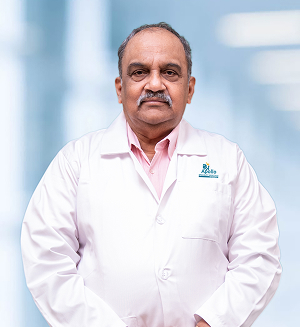
At Apollo Speciality Hospitals, Teynampet, our world-class doctors blend clinical expertise with compassion to deliver exceptional patient care and outcomes.


Lung Transplant
Pulmonology
Transplants
Heart & Lung Transplant
20+ Years
MBBS., MD (Internal Medicine), DM (Pulmonology & Critical Care), Fellowship in Transplant Pulmonology (Toronto)


Neurology
30+ Years
MD (Int. Med), DM (Neurology), FAAN, FIAN, FRCP (Edin) FRCP (G), FPRD, FMDSI

Oncology
Robotic Surgery
20+ Years
MBBS, M.S. (General Surgery), M.Ch (Surgical Oncology)

Discover Our Top Specialities
Experience world-class healthcare at Apollo Speciality Hospitals, where specialized centres of excellence bring together cutting-edge innovation, advanced technology, and expert care to set new global standards in clinical outcomes. With a patient-first approach and a commitment to excellence, we deliver comprehensive, personalized care across every stage of your health journey.
-
 Cardiac Sciences
-
 Oncology
-
 Neurology
-
 Gastroenterology & Hepatology
-
 Urology
-
 Anesthesiology
-
 Emergency Medicine
-
 Critical Care
-
 Interventional Radiology
-
 Endocrinology & Diabetes Care
-
 Plastic Surgery
-
 Dentistry
-
 Dermatology
-
 Infectious Diseases
-
 Internal Medicine
-
 General Surgery
-
 Pulmonology
-
 Rheumatology
-
 Spine Surgery

Cardiac Sciences


Apollo Speciality Hospitals delivers comprehensive heart care through advanced diagnostics, interventional cardiology, and state-of-the-art cardiac surgery
Our Procedures
- Coronary Angiography
- PTCA Angioplasty with Stenting
- Coronary Artery Bypass Grafting (CABG)
- TAVI/TAVR (Transcatheter Aortic Valve Implantation/Replacement)
- Cardiac Resynchronization Therapy
- Rotablation (Rotational Atherectomy)
- Radiofrequency Ablation
- Heart Valve repair replacement surgery
- MICS (Minimally Invasive Cardiac Surgery)
- Pacemaker and ICD Implantation
- Electrophysiology Studies
- Impella Device Support

Oncology

Our comprehensive cancer care program brings together Medical Oncology, Surgical Oncology, and Radiation Oncology to deliver truly integrated care
Our Procedures
- Chemotherapy
- Immunotherapy
- Targeted therapy
- Stereotactic radiosurgery
- Blood and Marrow Transplantation (BMT)
- CAR-T Cell Therapy
- Robotic Oncosurgery
- Minimally Invasive Cancer Surgery
- Hyperthermic Intraperitoneal Chemotherapy (HIPEC)
- Image-Guided Radiation Therapy (IGRT)
- Intensity Modulated Radiation Therapy (IMRT)
- Stereotactic Body Radiation Therapy (SBRT)

Neurology

Our neuro sciences program offers comprehensive care across neurology, neurosurgery, and neurocritical care, delivering advanced treatment for a wide spectrum of brain, spine, and nerve disorders.
Our Procedures
- Thrombolysis for Acute Stroke
- Mechanical Thrombectomy
- Brain Tumor Surgery

Gastroenterology & Hepatology

At Apollo Speciality Hospitals, Teynampet, we provide comprehensive medical and surgical care for digestive, liver, and pancreatic disorders.
Our Procedures
- Endoscopy
- Endoscopic Retrograde Cholangiopancreatography (ERCP)
- Endoscopic Ultrasound (EUS)

Urology

Our Urology department provides comprehensive medical and surgical care across adult and pediatric urology, combining advanced technology with expert clinical expertise.
Our Procedures
- Laser Lithotripsy
- Percutaneous Nephrolithotomy (PCNL)
- Flexible Ureteroscopy

Anesthesiology
Our Anesthesiology department provides comprehensive perioperative care, ensuring patient safety, comfort, and optimal outcomes across all surgical procedures.
Our Procedures
- General Anesthesia
- Regional Anesthesia (Spinal and Epidural)
- Local Anesthesia
- Sedation and Monitored Anesthesia Care (MAC)
- Pre-Anesthetic Evaluation
- Intraoperative Monitoring and Life Support
- Airway Management and Ventilation
- Postoperative Pain Management
- Labour Analgesia (Painless Delivery)
- Ultrasound-Guided Nerve Blocks
- Critical Care and Ventilator Management
- Central Venous and Arterial Line Placement

Emergency Medicine

The Emergency Department at Apollo Speciality Hospitals, Teynampet operates 24/7 with rapid-response teams trained to handle all medical emergencies.
Our Procedures
- Advanced Trauma Life Support
- Advanced Cardiac Life Support
- Stroke Thrombolysis

Critical Care
Our Critical Care department provides round-the-clock, multidisciplinary care for patients with life-threatening conditions, ensuring continuous monitoring and advanced life support.
Our Procedures
- Advanced Ventilator Support
- Hemodynamic Monitoring
- Continuous Renal Replacement Therapy (CRRT)
- Invasive and Non-Invasive Ventilation
- Sepsis and Shock Management
- ECG, ABG and Critical Monitoring
- Central Venous and Arterial Line Placement
- Airway Management and Intubation
- Pediatric Intensive Care Support
- Postoperative Critical Care
- Trauma and Emergency Critical Care
- Multiorgan Support and Management

Interventional Radiology
The Interventional Radiology department at Apollo Speciality Hospitals, Teynampet, offers advanced, image-guided, minimally invasive treatments for a wide range of conditions.
Our Procedures
- Angiography
- Angioplasty
- Embolization
- Image-Guided Biopsies
- Radiofrequency Ablation (RFA)
- Microwave Ablation
- Chemoembolization (TACE)
- Thrombolysis and Thrombectomy
- Varicose Vein Treatment (Laser/Ablation)
- Drainage Procedures (Abscess and Fluid Collections)
- Biliary Drainage and Stenting
- Nephrostomy and Ureteric Stenting
- Central Venous Access (Port/PICC Line Placement)

Endocrinology & Diabetes Care
Our Endocrinology department provides comprehensive care for hormonal and metabolic disorders, combining advanced diagnostics with personalized treatment plans.
Our Procedures
- Continuous Glucose Monitoring
- Insulin Pump Therapy
- Thyroid Function Testing and Management
- Fine Needle Aspiration Cytology (FNAC) for Thyroid
- Dynamic Hormone Testing
- Bone Mineral Density (DEXA Scan)
- Diabetic Foot Evaluation and Care
- Gestational Diabetes Management
- Hormonal Evaluation for PCOS
- Osteoporosis Management
- Adrenal and Pituitary Disorder Management
- Lifestyle and Metabolic Counselling

Plastic Surgery

Our Plastic & Reconstructive Surgery department offers advanced surgical solutions to restore form, function, and appearance.
Our Procedures
- Reconstructive surgery
- Microvascular Free Flap Surgery
- Breast Reconstruction Surgery

Dentistry
Our Dentistry department offers comprehensive oral healthcare, combining advanced technology with expert clinical care.
Our Procedures
- Dental Implants
- Root Canal Treatment
- Tooth Extraction

Dermatology
Our Dermatology department provides comprehensive care for skin, hair, and nail conditions, combining advanced diagnostics with personalized treatment plans.
Our Procedures
- Acne and Scar Treatment
- Laser Skin Treatments
- Skin Biopsy

Infectious Diseases
Our Infectious Diseases department provides specialized care for the prevention, diagnosis, and management of a wide range of infections.
Our Procedures
- Management of Viral Infections
- Management of Bacterial Infections
- Tuberculosis (TB) Treatment
- Management of Fungal Infections
- HIV/AIDS Care and Management
- Sepsis and Bloodstream Infection Management
- Hospital-Acquired Infection (HAI) Management
- Travel Medicine and Vaccination Services
- Fever of Unknown Origin (FUO) Evaluation
- Infection Control and Prevention Programs
- Post-Transplant and Immunocompromised Infection Care

Internal Medicine
Our Internal Medicine department provides comprehensive, patient-centric care for a wide range of acute and chronic medical conditions.
Our Procedures
- Fever Management
- Infection Management
- Preventive Health Checks
- Management of Chronic Diseases
- Comprehensive Medical Evaluation
- Lifestyle Disease Management
- Geriatric Care
- Metabolic Disorder Management
- Cardiovascular Risk Assessment
- Respiratory Illness Management
- Gastrointestinal Disorder Management
- Acute Illness and Emergency Stabilization
- Long-term Follow-up and Care Coordination

General Surgery
Our General Surgery department offers comprehensive surgical care for a wide range of conditions, combining advanced techniques with expert clinical expertise.
Our Procedures
- Laparoscopic Surgery
- Laparoscopic Surgery
- Hernia Repair

Pulmonology
Our Pulmonology and Sleep Medicine department offers expert care for a wide range of respiratory and sleep-related disorders, with a strong focus on accurate diagnosis and evidence-based treatment.
Our Procedures
- Bronchoscopy
- Endobronchial Ultrasound (EBUS)
- Transbronchial Lung Biopsy

Rheumatology
The Rheumatology unit focuses on diagnosing and managing autoimmune and inflammatory conditions such as arthritis, lupus, and connective tissue disorders.
Our Procedures
- Rheumatoid Arthritis Treatment
- Systemic Lupus Erythematosus Management
- Ankylosing Spondylitis Management
- Autoimmune Disease Evaluation and Management
- Psoriatic Arthritis Treatment
- Vasculitis Management
- Gout and Crystal Arthritis Management
- Biologic Therapy and Immunomodulator Treatment
- Joint Aspiration and Injection Procedures
- Osteoarthritis Management
- Soft Tissue Rheumatism Management
- Long-term Disease Monitoring and Care

Spine Surgery
Our Spine Care unit offers comprehensive diagnosis and treatment for a wide range of spinal disorders including disc prolapse, spinal deformities, trauma, and degenerative conditions.
Our Procedures
- Minimally Invasive Spine Surgery (MISS)
- Spinal Decompression Surgery
- Spinal Fusion Surgery
Integrated Programs & Specialised Clinics

Sleep Lab Clinic
Advanced sleep diagnostics and care for sleep apnea, insomnia, and other sleep disorders to improve sleep quality and overall health.
Services
Polysomnography, CPAP/BiPAP Titration, Sleep Consultations.


Epilepsy Clinic
Comprehensive care for seizure disorders with accurate diagnosis, medication management, and long-term monitoring.
Services
EEG, Video EEG Monitoring, Anti-epileptic Therapy, Surgical Evaluation.

Dementia Clinic
Specialized evaluation and care for memory disorders, focusing on early diagnosis and cognitive support.
Services
Cognitive Assessment, Neuroimaging, Memory Therapy, Caregiver Support.

Stroke Clinic
Expert care for stroke prevention, acute management, and rehabilitation to improve recovery outcomes.
Services
Stroke Risk Assessment, Thrombolysis, Rehabilitation Planning, Follow-up Care.

Movement Disorder Clinic
Dedicated care for Parkinson’s disease and other movement disorders with advanced therapies.
Services
Botox Therapy, DBS Evaluation, Medication Management, Rehabilitation.

Vertigo Clinic
Focused care for dizziness and balance disorders with precise diagnosis and targeted treatment.
Services
Vestibular Testing, Canalith Repositioning, Balance Therapy.

Asthma Clinic
Comprehensive asthma care focused on symptom control, prevention, and improved lung function.
Services
Pulmonary Function Tests, Inhaler Therapy, Allergy Evaluation.

Smoking Cessation Clinic
Structured support programs to help patients quit smoking and reduce long-term health risks.
Services
Counselling, Nicotine Replacement Therapy, Behavioural Therapy.

COPD Clinic
Specialized care for chronic obstructive pulmonary disease with focus on symptom relief and quality of life.
Services
Spirometry, Oxygen Therapy, Pulmonary Rehabilitation.

Interstitial Lung Diseases Clinic
Advanced care for interstitial lung diseases with early diagnosis and personalized treatment plans.
Services
HRCT Evaluation, Lung Function Tests, Immunotherapy.

Pulmonary Hypertension Clinic
Dedicated management of pulmonary hypertension with advanced diagnostics and targeted therapies.
Services
Echocardiography, Right Heart Evaluation, Medication Management.

Digestive Health Clinic
Comprehensive care for gastrointestinal disorders with a focus on early diagnosis and effective treatment.
Services
Endoscopy, Colonoscopy, GI Consultations.

Advanced Endoscopy Clinic
Expertise in advanced diagnostic and therapeutic endoscopic procedures for complex GI conditions.
Services
Endoscopic Retrograde Cholangiopancreatography (ERCP), Endoscopic Ultrasound, Peroral Endoscopic Myotomy (POEM), Endoscopic Submucosal Dissection (ESD).

Pancreatic & Biliary Disorders Clinic
Specialized care for pancreatic and biliary diseases using advanced imaging and interventions.
Services
Endoscopic Retrograde Cholangiopancreatography (ERCP), Stenting, Pancreatitis Management.

Jaundice Clinic
Focused evaluation and treatment of jaundice with a multidisciplinary approach.
Services
Liver Function Tests, Imaging, Endoscopic Management.

Apollo Advanced Heart Risk Clinic
Preventive cardiac care focused on early risk detection and personalized heart health plans.
Services
Risk Scoring, Lipid Profile, Lifestyle Counselling.

Heart Rhythm Clinic
Specialized care for arrhythmias with advanced diagnostics and interventional treatments.
Services
Holter Monitoring, Electrophysiology Study, Ablation.

Apollo Senior Citizen Heart Care Clinic
Tailored cardiac care for elderly patients with focus on prevention, monitoring, and quality of life.
Services
Geriatric Cardiac Evaluation, Medication Management, Follow-up Care.

Prostate Clinic
Expert care for prostate conditions including enlargement, infection, and cancer.
Services
PSA Testing, Transurethral Resection of the Prostate (TURP), Prostate Evaluation.

Kidney Stone Clinic
Comprehensive management of kidney stones with minimally invasive treatments.
Services
Ultrasound, Laser Lithotripsy, Percutaneous Nephrolithotomy (PCNL).

Scoliosis Clinic
Specialized evaluation and treatment of spinal curvature disorders across age groups.
Services
Spine Assessment, Bracing, Surgical Planning.

Low Back Pain Clinic
Targeted care for acute and chronic back pain with multidisciplinary treatment approaches.
Services
Pain Management, Physiotherapy, Imaging.

Spine Deformity Clinic
Advanced care for complex spine deformities with corrective surgical and non-surgical options.
Services
Spinal Imaging, Deformity Correction Surgery, Rehabilitation.
Patient Facilities & Infrastructure
Designed to deliver comfort, precision, and efficiency, our infrastructure combines advanced technology with patient-focused facilities to support seamless, high-quality care at every step.

IP / OP Facilities

Superior Patient Care

Bed Facility

Renowned Centres Of Excellence
Key Milestones
From pioneering firsts to high-volume expertise, our milestones showcase our commitment to clinical excellence and better patient outcomes.

2000+ Bone Marrow Transplants
One of India’s leading transplant programs delivering advanced, life-saving care with strong clinical expertise and outcomes.

6 Lakh+ Chemotherapy Sessions
Extensive experience in delivering personalized chemotherapy with a strong focus on safety, precision, and patient comfort.

1.2 Lakh+ Cancer Surgeries
High-volume surgical expertise across complex cancer procedures, ensuring precision, safety, and improved recovery outcomes.

45,000+ Radiotherapy Sessions
Advanced radiation therapy delivered with accuracy and consistency using state-of-the-art technology and protocols.

250+ HIPEC Procedures
Specialized expertise in HIPEC for advanced abdominal cancers, offering targeted treatment with improved clinical outcomes.
1st Oncology Hospital in India with NABH Accreditation
Recognized for maintaining the highest standards in patient safety, quality care, and clinical excellence.
1st Hospital in South-East Asia to Introduce 64 Slice PET-CT
A pioneering step in advanced imaging, enabling early and accurate cancer detection and staging.
1st Private Hospital to Install LINAC (1993)
Among the earliest adopters of advanced radiation technology, setting new benchmarks in cancer treatment.
1st Radiosurgery Program in India (1996)
A landmark initiative that introduced advanced, targeted radiation treatment for complex conditions.

1st Hospital in India to Introduce CyberKnife® (2009)
Revolutionized cancer care with highly precise, non-invasive robotic radiosurgery.
1st Private Hospital in India to Complete CAR-T Cell Therapy (2024)
Leading innovation in cancer care with advanced cellular therapy for complex and resistant cancers
Our Technology
BMT
A bone marrow transplant is a medical procedure to replace bone marrow that has been damaged or destroyed by disease. This procedure involves transplanting stem cells which can be taken from bone marrow or blood (peripheral) or the umbilical cord blood.

Bronchoscopy
Bronchoscopy is a minimally invasive medical procedure that allows doctors to examine the airways and lungs using a thin, flexible tube called a bronchoscope. At Apollo Hospitals Chennai, we pride ourselves on our reputation for excellence in healthcare, utilizing cutting-edge technology and advanced techniques to ensure the best possible outcomes for our patients.

Siemens Artis Zee Cath Lab
High-precision cath lab system enabling advanced cardiac and neurovascular interventions with real-time imaging, improved accuracy, and enhanced procedural safety.

CyberKnife® S7™
The CyberKnife® S7™ FIM System is a non-invasive treatment for various cancers and conditions where radiation therapy is needed. It treats tumours throughout the body, including the brain, lungs, spine, prostate, and abdomen. It can be an alternative to surgery for patients with inoperable or complex tumours. Even patients previously treated with radiation or with metastatic or recurrent cancers can receive CyberKnife® S7™ FIM treatment.

Da Vinci® Robotic Surgical System
Advanced robotic surgical system enabling minimally invasive procedures with enhanced precision, better control, reduced complications, and faster recovery across multiple specialties.

Mammography Technology
Mammography uses computers and specially designed digital detectors to produce detailed X-ray images of the breast tissue. The purpose of mammography is to identify breast cancer early in its development, when it is still very small, often years before it is large enough to be felt as a lump.
MRI
Magnetic resonance imaging (MRI) is a non-invasive technique used for diagnostic imaging. MRI is particularly useful for the imaging of soft tissues. It allows for high-quality imaging of the soft tissues with good anatomic detail and offers more sensitivity and specificity.

PET-CT Technology in Cancer Diagnosis
The scan uses a special dye containing radioactive tracers (Isotope labelled Glucose molecules). These tracers are either swallowed, inhaled, or injected into a vein in the arm depending on what part of the body is being examined. Certain organs and tissues then absorb the tracer.

TrueBeam Radiotherapy for Advanced Cancer Treatment
TrueBeam is an advanced linear accelerator and radiosurgery treatment system that allows doctors to target hard-to-reach tumors. The machine uses cutting-edge imaging technology – called ExacTrac – to capture images of your tumor, even when it moves during your natural breathing patterns. It uses these images to confirm that the radiation beams are always targeting the tumor.

ExcelsiusGPS® Robotic Spine Navigation Platform
State-of-the-art robotic spine navigation platform ensuring highly accurate, minimally invasive spine surgery with improved precision, reduced risks, and better patient outcomes.

Advanced Bronchoscopy Systems
High-resolution bronchoscopy systems with advanced imaging capabilities for precise airway evaluation, early diagnosis, and minimally invasive management of respiratory conditions

Optimus™ Intra-Aortic Balloon Pump (IABP)
Advanced cardiac support device improving coronary blood flow, reducing cardiac workload, and stabilizing critically ill patients during cardiac emergencies and high-risk procedures.

Stryker 1788 Advanced Surgical Camera
Next-generation surgical imaging system offering ultra-high-definition visualization, enabling precision in minimally invasive and complex surgical procedures across specialties.

Quanta Laser Systems
High-performance laser technology for minimally invasive urological procedures, enabling precise treatment of kidney stones and other urinary tract conditions with faster recovery.

Capsule Endoscopy
Non-invasive diagnostic technology using a swallowable capsule to capture real-time images of the gastrointestinal tract for accurate and early disease detection.

Optiflow™ THRIVE System
Advanced oxygen delivery system providing dynamic positive airway pressure, enabling safer procedures with extended apnea time and improved airway management.

64-Channel Advanced Sleep Lab
Comprehensive sleep diagnostics facility with multi-channel monitoring for accurate evaluation and management of complex sleep disorders including sleep apnea.

Scalp Cooling System
Advanced oscillometry system providing non-invasive assessment of small and large airway function, enabling early detection of respiratory disorders.

Advanced Lung Function Lab
Comprehensive pulmonary function testing facility including spirometry, DLCO, FeNO, and oscillometry for accurate diagnosis and monitoring of respiratory conditions.
Advanced Endoscopy Systems (NBI & Dual Focus)
High-definition endoscopy systems with NBI and dual-focus technology for early detection, accurate diagnosis, and targeted treatment of gastrointestinal conditions.
Transcranial Doppler
Non-invasive ultrasound technology used to monitor cerebral blood flow, aiding in diagnosis and management of neurological and cerebrovascular conditions.
LINAC (Linear Accelerator)
Advanced radiation therapy technology delivering high-dose, targeted cancer treatment with precision, minimizing damage to surrounding healthy tissues and improving treatment outcomes.
Accreditations


Apollo Insurance Partners


Health Insurance How the Claims Process Works
Understanding Health Insurance


- Health insurance is a financial cover that helps manage medical expenses as per your policy terms, coverage limits, and exclusions.
- It typically includes hospitalization, procedures, and investigations, depending on your plan.
- All approvals and claim decisions are made by your insurance company or Third-Party Administrator (TPA), based on the policy conditions.
Cashless and Reimbursement Claims
Health insurance can be used in two ways: cashless and reimbursement.
- In cashless treatment, the insurance company directly settles the approved medical expenses with the hospital, reducing the need for upfront payments.
- In reimbursement, you pay the hospital bill at discharge and later submit the claim to the insurer for repayment as per policy eligibility.
- Cashless treatment is available only at hospitals that are part of your insurer or TPA network. If you choose a non-network hospital, you can still avail treatment but will need to proceed through the reimbursement route. It is always advisable to check hospital network eligibility with your insurer before admission.
Pre-Authorization and Approval Process
Pre-authorization is a mandatory step for cashless treatment, where the insurer reviews and approves the estimated treatment cost. The approach differs based on whether it is a planned hospitalization or an emergency.
- For planned hospitalization, this process should ideally be initiated with the insurer or TPA4 8–72 hours in advance.
- In case of emergencies, the hospital will initiate the request immediately after admission to ensure timely processing.
- To facilitate this process, patients are required to submit a valid government-issued ID proof such as a PAN card, Driving Licence, or Voter ID. For corporate insurance policies, a copy of the employee ID card may also be required.
Billing, Coverage & Patient Responsibility
- Once approved, the insurer settles eligible expenses directly with the hospital under cashless treatment.
- However, certain items such as non-medical consumables, registration charges, and personal expenses are not covered and must be borne by you.
- If the final bill amount exceeds the approved amount, an additional request (enhancement) may be raised with the insurer. If the enhancement is not approved, the remaining balance will need to be settled by you at the time of discharge.
- In case approval is not received before discharge, you will be required to bear the entire cost of treatment and may subsequently apply for reimbursement with the insurer
When Cashless Requests May Not Be Approved
- While most requests are processed smoothly, cashless approval may not be granted under certain circumstances.
- The condition requiring hospitalization is not covered under the insurance policy, including pre-existing diseases within waiting periods or specific exclusions such as alcohol-related incidents.
- The pre-authorization request does not have sufficient medical information, and required clarifications are not available despite follow-up.
- The insured sum or coverage limit under the policy has already been exhausted.
- Our insurance team will guide you through the process and assist in minimizing the chances of rejection wherever possible.
Support and Assistance
- Our dedicated insurance desk assists patients at every step, from documentation and pre-authorization to final billing and discharge.
- We work closely with insurers and TPAs to facilitate faster approvals and provide clarity on processes, helping ensure a seamless experience throughout your hospital journey.
Other Hospitals In Chennai
With 74 hospitals and a vast nationwide network, Apollo
delivers world-class healthcare across India.
Hospitals card


Get Proactive.
Be ProHealth.
Start your health journey today
ProHealth programs are designed to go beyond routine checks, offering personalized risk assessment, tailored health plans, advanced diagnostics, and expert guidance to help you stay ahead of your health.

Apollo ProHealth
Apollo ProHealth Heart Program - Apollo Hospitals ...
₹
13800
/-
Cardiac / Heart
Your ProHealth digital report is simple, clear, and easy to understand. It brings together test results, AI-powered risk scores, doctor’s interpretati
With ProHealth, care doesn’t stop after your health check. Even after your health check, your dedicated health mentor will guide you on diet, exercise
View More
Age Range
18+
Gender
male
female
Location
Apollo Hospitals Greams Road Chennai
Apollo ProHealth
Apollo ProHealth Comprehensive Well Women Program ...
₹
12300
/-
Full Body
Your ProHealth digital report is simple, clear, and easy tounderstand. It brings together test results, AI-powered risk scores, doctor’sinterpretation
WithProHealth, care doesn’t stop after your health check. Even after your healthcheck, your dedicated health mentor will guide you on diet, exercise,
View More
Age Range
18+
Gender
female
Location
Apollo Hospitals Greams Road Chennai
International Patient Care
Comprehensive support services designed to ensure a smooth and comfortable healthcare experience for international patients.

Visa & Travel Support

Airport Transfers & Accommodation Support

Dedicated Coordinators & Translator Services
Quick Links: Travel Guide, Treatment Guide


×
Frequently Asked Questions
Find answers to common questions about our services, treatments, appointments, and patient care options to help you make informed health decisions.
1
Why is Apollo Speciality Hospitals, Teynampet considered one of the best multispeciality hospitals in Chennai?


Apollo Speciality Hospitals, Teynampet is widely regarded as one of the best multispeciality hospitals in Chennai due to its strong clinical expertise, advanced medical infrastructure, and integrated care approach. The hospital offers comprehensive treatment across preventive, elective, and complex medical conditions under one coordinated system—making it a leading and trusted hospital in Chennai.
2
Which areas in Chennai does Apollo Speciality Hospitals, Teynampet serve?
Apollo Speciality Hospitals, Teynampet serves patients from across Chennai, including Teynampet, Alwarpet, Nungambakkam, T. Nagar, Mylapore, Adyar, Guindy, Velachery, OMR, ECR, and surrounding areas. Its central location and clinical excellence also attract patients from across Tamil Nadu and neighbouring states, positioning it as a leading multispeciality hospital in Chennai.
3
What makes Apollo Speciality Hospitals, Teynampet a top-rated and patient-preferred hospital?
Apollo Speciality Hospitals, Teynampet is recognised as a patient-preferred hospital in Chennai due to its structured care pathways, experienced specialists, and strong focus on safety, outcomes, and patient experience. These factors contribute to its reputation as one of the highest-rated hospitals in Chennai.
4
How does Apollo Speciality Hospitals, Teynampet qualify as a premier multispeciality hospital?
As a premier multispeciality hospital in Chennai, Apollo Teynampet brings together multiple specialties, advanced diagnostics, robotic-assisted surgeries, and critical care services under one roof. This integrated ecosystem enables faster diagnosis, coordinated treatment, and predictable outcomes.
5
What specialties are available at Apollo Speciality Hospitals, Teynampet?
Apollo Speciality Hospitals, Teynampet offers comprehensive multispeciality care across cardiology, oncology, orthopaedics, neurology, gastroenterology, pulmonology, urology, nephrology, gynaecology, paediatrics, and general surgery. The hospital is also equipped for advanced procedures including robotic surgery, interventional cardiology, and minimally invasive treatments.
6
Does Apollo Speciality Hospitals, Teynampet accept insurance?
Yes, Apollo Speciality Hospitals, Teynampet accepts a wide range of health insurance policies and offers cashless treatment facilities through multiple insurance providers and TPAs. The hospital’s insurance desk supports patients with verification, pre-authorisation, and claim processing.
7
How transparent are treatment costs at Apollo Speciality Hospitals, Teynampet?
Apollo Speciality Hospitals, Teynampet follows a transparent pricing approach where treatment costs are clearly explained based on diagnosis, procedure complexity, and room category. Patients receive advance estimates to help them plan treatment and make informed decisions.
8
Is Apollo Speciality Hospitals, Teynampet a trusted hospital for complex and advanced treatments?
Yes, Apollo Speciality Hospitals, Teynampet is a clinically advanced hospital in Chennai known for managing complex cases across specialties. With advanced technology, experienced specialists, and evidence-based protocols, it is considered one of the most trusted hospitals in Chennai.
9
Why do patients consider Apollo Speciality Hospitals, Teynampet a hospital of choice in Chennai?
Patients choose Apollo Speciality Hospitals, Teynampet for its end-to-end care—from diagnosis to recovery—supported by expert doctors, modern infrastructure, and coordinated patient services. This integrated model makes it a preferred hospital in Chennai.
10
Is Apollo Speciality Hospitals, Teynampet easily accessible?
Yes, Apollo Speciality Hospitals, Teynampet is centrally located in Chennai with excellent connectivity to major residential, commercial, and business hubs. Its location enables easy access for both planned consultations and emergency care.
11
Does Apollo Speciality Hospitals, Teynampet offer emergency services?
Yes, the hospital provides 24/7 emergency and trauma care services supported by advanced critical care units, ambulance services, and rapid-response medical teams.
12
Is Apollo Speciality Hospitals, Teynampet equipped with world-class facilities?
Apollo Speciality Hospitals, Teynampet features state-of-the-art infrastructure, including modular operation theatres, advanced ICUs, robotic surgical systems, Cath Labs, and high-end diagnostic equipment. These capabilities align with global healthcare standards.
13
Does Apollo Speciality Hospitals, Teynampet offer health checkups?
Yes, the hospital offers a wide range of preventive health checkup packages designed for early detection, risk assessment, and long-term wellness. These include consultations, diagnostics, and specialist evaluations in a streamlined process.
14
Why do patients searching for the best hospital near me in Chennai choose Apollo Teynampet?
Patients searching for the best multispeciality hospital near them in Chennai choose Apollo Teynampet due to its central location, comprehensive specialties, emergency readiness, and strong clinical outcomes.
15
What kind of advanced procedures are performed at Apollo Speciality Hospitals, Teynampet?
Apollo Speciality Hospitals, Teynampet performs advanced procedures including robotic surgeries, cardiac interventions, joint replacement surgeries, spine surgeries, cancer treatments, and minimally invasive procedures across specialties.
16
What safety and quality protocols does Apollo Speciality Hospitals, Teynampet follow?
The hospital follows stringent safety and quality protocols, including infection control practices, standardized clinical pathways, medication safety checks, and continuous audits. These measures ensure high standards of patient safety and care quality.
View All


 Best Hospital Near me Chennai