


Image


The Department of Cardiology at Apollomedics Hospital, Lucknow, diagnoses and treats diseases of the heart and blood vessels in adults and children, from routine blood pressure concerns to emergency heart attacks and complex structural heart disease. The department brings preventive, medical, interventional and surgical cardiology together in one place.
Services under one roof include non-invasive testing, a cardiac catheterisation laboratory, cardiac surgery, rhythm management, paediatric heart care and cardiac rehabilitation. Most patients can have their diagnosis, procedure and follow-up in the same hospital. That matters most in time-critical situations such as a heart attack.
Care is organised around a heart team model. Cardiologists, cardiac surgeons, anaesthetists, intensivists and rehabilitation staff discuss complex cases together, so treatment decisions weigh every suitable option, not just one. The same team follows each patient from the first evaluation through recovery and long-term monitoring.
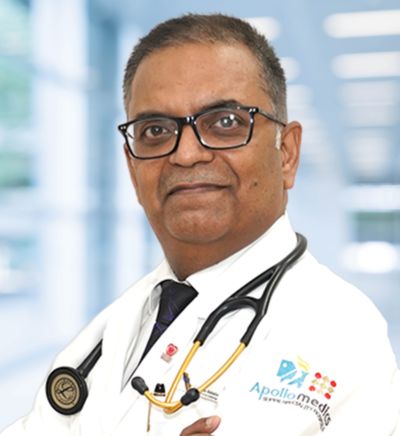
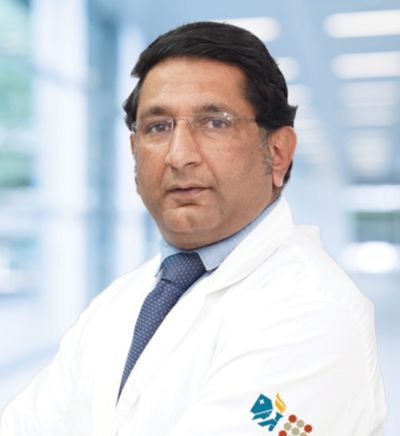
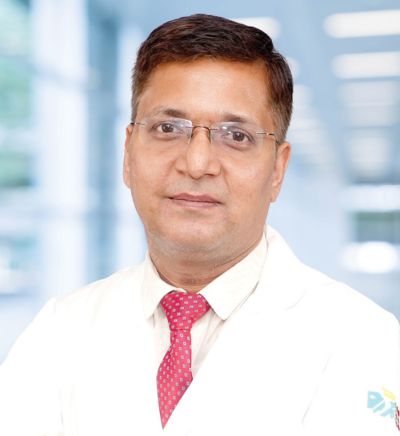
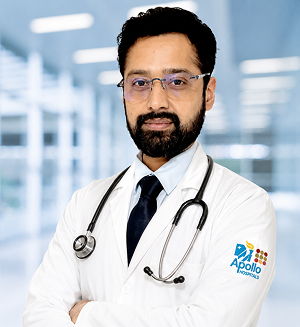
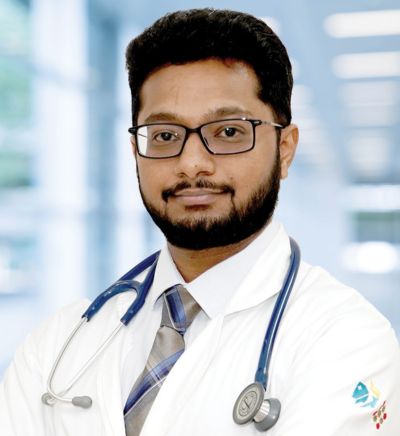
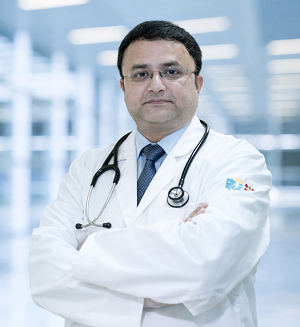
Heart care at Apollomedics Hospital, Lucknow, is delivered by a multidisciplinary team of interventional cardiologists, electrophysiologists, cardiothoracic and vascular surgeons, paediatric cardiologists, paediatric cardiac surgeons, cardiac anaesthetists and rehabilitation specialists. Complex cases are reviewed jointly, so medical, catheter-based and surgical options are weighed together before a plan is made. Our Cardiologist include:



Coronary artery disease. Narrowing of the arteries that supply the heart muscle, usually caused by fatty deposits (plaque) building up over years. It is the most common reason patients are referred for angiography or angioplasty.

Heart failure. A condition in which the heart cannot pump blood as effectively as the body needs. Breathlessness, tiredness and swelling in the ankles are common signs. With the right treatment, many patients manage it well over the long term.

Aortic stenosis. Narrowing of the aortic valve, most often seen in older adults. It can cause breathlessness, chest pain or fainting on exertion.


Septal defects (ASD and VSD). Holes in the wall between the heart’s chambers, present from birth. Many can now be closed with a catheter instead of open surgery.
Treatment ranges from medicines and lifestyle changes to catheter-based procedures and open-heart surgery. The right plan depends on the condition, its severity, your overall health and your preferences. It is decided with you after a detailed consultation.

Medication management. Medicines to control blood pressure, cholesterol, heart rhythm and heart failure symptoms, and to lower the risk of future heart attacks.
Risk factor and lifestyle programmes. Structured support for diet, physical activity, quitting smoking and managing diabetes.


Pacemaker implantation. A small device placed under the skin keeps a slow heart beating at a safe rate. Leadless pacemakers, which sit inside the heart without wires, may suit some patients.
ICD and CRT devices. Implantable defibrillators correct life-threatening rhythms. Cardiac resynchronisation devices help a weak heart pump more efficiently.
Catheter ablation. The small area of heart tissue causing an abnormal rhythm is treated through a catheter.

Coronary artery bypass grafting (CABG). Blood vessels taken from elsewhere in the body create new routes around blocked coronary arteries. Where suitable, it may be done as off-pump or “beating heart” surgery.
Valve repair and replacement. Surgical repair or replacement of damaged heart valves.
Congenital heart surgery. Corrective and staged operations for children with heart defects.
Aortic and vascular surgery. Open or endovascular repair of aneurysms and major blood vessel disease.

Captures X-ray images from two angles at once, giving clearer views during complex angioplasty, structural heart procedures and paediatric interventions, often with less contrast dye.

Catheter-based valve therapies such as TAVI allow selected patients to avoid open-heart surgery, with shorter hospital stays in many cases.

IVUS/OCT imaging and FFR pressure measurement help decide whether a narrowing needs a stent and confirm the stent is well placed.

Advanced life support for patients with severe heart or lung failure. The hospital has 110 critical care beds.

Smaller incisions for selected valve and bypass operations, which can mean less pain and a quicker return to activity.


The department provides preventive cardiology, heart tests, angiography and angioplasty, TAVI, pacemakers and ablation, bypass and valve surgery, pediatric heart care and cardiac rehabilitation. Emergency cardiac care is available round the clock.
Key factors include:
Experience: Look for cardiologists and cardiac surgeons experienced in the treatment you need. Facilities: Check that the hospital has a cath lab and a cardiac intensive care unit.
Emergency Response: The hospital must have 24/7 cardiac emergency protocols.
Accreditation: NABH accreditation means the hospital is assessed against national standards for patient safety and quality of care.
Yes. The cardiothoracic surgery team performs complex operations such as redo bypass surgery and valve replacement, supported by a cardiac surgical intensive care unit. Minimally invasive heart surgery is offered for selected patients
The cardiology team includes doctors in interventional cardiology, electrophysiology and non-invasive cardiology, working with cardiac surgeons. See Our Cardiology Doctors for names and qualifications.
Yes. Apollomedics Hospital, Lucknow has a pediatric cardiology and pediatric cardiac surgery service that treats heart conditions in children, from newborns to teenagers.
Yes. Apollomedics Hospital, Lucknow provides round-the-clock cardiac emergency care, with a cath lab team available for heart attack treatment.
Treatments available include TAVI (valve replacement through a catheter, without open-heart surgery), complex angioplasty, catheter ablation, pacemakers and defibrillators
You should consider consulting a cardiologist at Apollomedics Hospital Lucknow if you experience chest pain or pressure, breathlessness during mild activity, palpitations, fainting spells or swelling in the ankles. A cardiac check-up may also be advisable if you have high blood pressure, diabetes, high cholesterol, a smoking history or a family history of early heart disease.
Call 108 or 112, or 1066 (Apollo Emergency & Ambulance Helpline) for an ambulance immediately. If an ambulance is not available, take the person to the nearest hospital equipped to manage cardiac emergencies, such as Apollomedics Hospital, Lucknow. Do not wait for the symptoms to improve on their own. In a heart attack, early diagnosis and restoration of blood flow can significantly influence treatment outcomes.
No. Coronary angiography is a diagnostic procedure used to identify narrowing or blockages in the heart’s arteries. Angioplasty is a treatment used to open a significantly narrowed or blocked artery, often with the placement of a stent. At Apollomedics Hospital Lucknow, angioplasty may sometimes be performed during the same session if angiography identifies a blockage that requires immediate treatment.
Angioplasty is generally performed under local anaesthesia, often with mild sedation. Most patients feel only pressure or mild discomfort at the catheter insertion site, usually in the wrist or groin. Some people may experience temporary chest discomfort when the balloon is inflated. The cardiology team at Apollomedics Hospital Lucknow monitors patients closely throughout the procedure.
Recovery varies depending on your overall health and whether angioplasty was planned or performed during an emergency such as a heart attack. Many patients can go home within one or two days and return to light activities or desk work within about a week. Your cardiologist at Apollomedics Hospital Lucknow will provide personalised instructions about activity, medicines and follow-up.
After coronary artery bypass grafting, the hospital stay is commonly around five to seven days, depending on the patient’s condition and recovery. Full recovery may take approximately six to twelve weeks. Patients treated at Apollomedics Hospital Lucknow may also be advised to participate in cardiac rehabilitation to gradually rebuild strength and return to routine activities safely.
Many patients require long-term medicines after stent placement to reduce the risk of blood clots and future cardiac events. Treatment may include antiplatelet medicines for a prescribed duration, along with cholesterol-lowering, blood pressure or other cardiac medicines. Patients should never stop blood-thinning medicines without consulting their cardiologist at Apollomedics Hospital Lucknow.
TAVI, or transcatheter aortic valve implantation, may be considered for patients with severe aortic stenosis, particularly older adults or people who may face higher risks with conventional open-heart surgery. Suitability is assessed using heart scans, valve measurements, blood vessel imaging and the patient’s overall health. At Apollomedics Hospital Lucknow, the treatment approach is decided after evaluation by the cardiac team.
Some congenital heart defects in children can be treated using catheter-based procedures instead of open-heart surgery. Examples may include selected atrial septal defects, ventricular septal defects and patent ductus arteriosus. Other conditions may still require surgery. The paediatric cardiology team at Apollomedics Hospital Lucknow determines the appropriate treatment after clinical assessment and detailed cardiac imaging.
Most people with a pacemaker can gradually return to their normal daily activities after recovery. Patients are usually given instructions about arm movements during the first few weeks, precautions around certain electrical or magnetic devices and the importance of regular pacemaker checks. The cardiology team at Apollomedics Hospital Lucknow can provide personalised guidance based on the type of device implanted.
Cardiac rehabilitation is a structured programme that combines supervised exercise, education, lifestyle guidance and risk-factor management after a heart attack, heart surgery or certain cardiac procedures. It can support recovery and help reduce the risk of future heart problems. Eligible patients at Apollomedics Hospital Lucknow may be advised to follow a rehabilitation programme as part of their ongoing cardiac care.
Apollomedics Hospital Lucknow works with a range of health insurers and third-party administrators for eligible cashless treatment. Coverage depends on the individual insurance policy, procedure and applicable terms. Patients planning cardiac treatment should confirm eligibility, pre-authorisation requirements and exclusions with the hospital insurance desk and their insurer before admission.