


Image




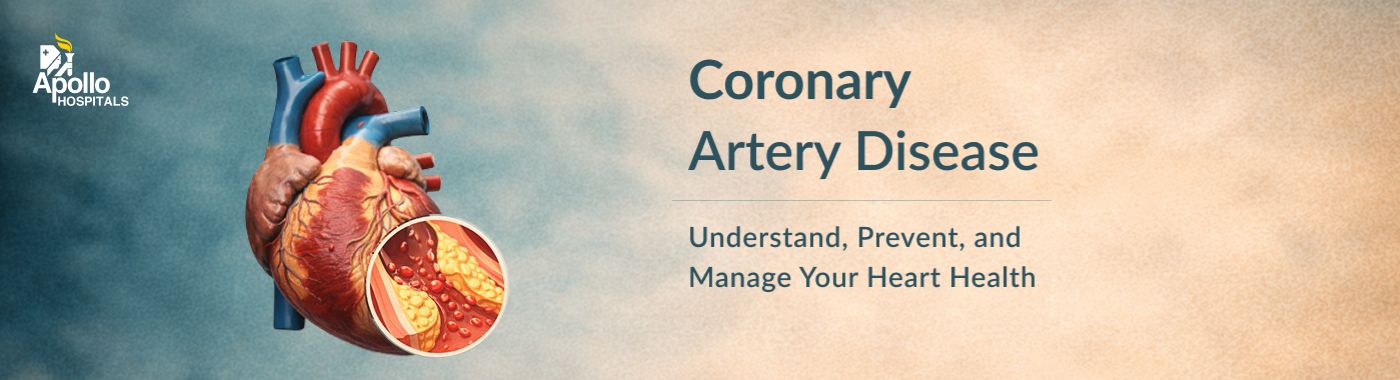
Coronary artery disease (CAD) is one of the most common and serious forms of heart disease worldwide. It develops when the coronary arteries, the blood vessels that supply oxygen-rich blood to the heart, become narrowed or blocked due to plaque buildup. Over time, this reduced blood flow can lead to chest pain, shortness of breath, and potentially a heart attack. Because CAD often progresses silently for years, many people do not realize they have the condition until symptoms become noticeable. Understanding the causes, warning signs, stages, and treatment options for coronary artery disease is essential for protecting your heart health and preventing life-threatening complications.
Coronary Artery Disease (CAD), also known as coronary heart disease, is a condition in which the arteries that supply blood to your heart become narrowed or blocked. These arteries, called the coronary arteries, are responsible for delivering oxygen and nutrients to the heart muscle so it can pump effectively.
Your heart works continuously 24 hours a day, without rest. To keep functioning properly, it requires a steady and uninterrupted blood supply. When the coronary arteries are healthy, blood flows freely. However, over time, cholesterol, fats, calcium, and inflammatory cells can accumulate inside the artery walls. This buildup forms a substance called plaque.
As plaque gradually builds up, the arteries become narrower, a process known as atherosclerosis. Reduced blood flow means the heart muscle may not receive enough oxygen, especially during physical activity or stress. This can cause symptoms such as chest discomfort (angina), shortness of breath, fatigue, or reduced exercise capacity.
In some cases, plaque can rupture suddenly. When this happens, a blood clot may form and completely block the artery. This sudden blockage can lead to a heart attack.
Many people use the term "heart disease" loosely to describe any heart-related condition. However, heart disease is a broad category that includes problems affecting the heart muscle, heart valves, rhythm disturbances, and congenital conditions. Coronary artery disease specifically refers to blockage or narrowing of the coronary arteries. It is the most common type of heart disease and the leading cause of heart attacks worldwide.
To simplify:
While these terms are related, they are not the same. A person can have CAD for many years without knowing it. Unfortunately, for some individuals, the first sign of CAD may be a heart attack.
Understanding what coronary artery disease is and how it progresses is the first step toward prevention, early detection, and effective treatment.
Coronary artery disease is one of the most common health conditions globally.
What is concerning is that CAD is increasingly seen in people in their 30s and 40s, especially in India. Factors such as high stress levels, poor dietary habits, smoking, and uncontrolled diabetes contribute significantly.
Many people live with CAD for years without knowing it.
To understand CAD, it helps to understand how your heart gets its blood supply.
There are two main coronary arteries:
Together, the LAD, LCx, and Right Coronary Artery supply blood to different regions of the heart muscle. These arteries branch into smaller vessels that wrap around the heart.
When plaque builds up inside these arteries, the channel through which blood flows becomes narrower. This condition is called atherosclerosis.
If blood flow becomes severely restricted or completely blocked, it can cause a heart attack.
Coronary artery disease does not develop overnight. It is a slow, progressive condition that often begins years, sometimes even decades, before symptoms appear. The process usually starts with subtle damage to the inner lining of the coronary arteries. This damage makes the artery walls more vulnerable to the buildup of fatty deposits.
Over time, cholesterol, fats, calcium, inflammatory cells, and other substances circulating in the blood begin to accumulate inside the artery walls. This buildup forms plaque. As plaque grows, the arteries gradually narrow and harden, a process known as atherosclerosis. Narrowed arteries restrict blood flow to the heart muscle, especially during exertion or stress.
In some cases, plaque can become unstable and rupture. When this happens, a blood clot may form at the site, suddenly blocking blood flow and potentially causing a heart attack.
Several key factors contribute to this process:
Excess LDL ("bad") cholesterol plays a major role in plaque formation. When LDL levels are high, cholesterol deposits more easily inside artery walls. Low levels of HDL ("good") cholesterol further increase risk because HDL helps remove excess cholesterol from the bloodstream.
Read more about LDL and HDL levels
Smoking damages the inner lining of blood vessels and promotes inflammation. It also reduces oxygen levels in the blood and increases the tendency of blood to clot. Even passive smoking can increase cardiovascular risk.
High blood sugar levels damage blood vessels and accelerate plaque buildup. Diabetes also increases inflammation and alters cholesterol levels, making artery blockage more likely. People with diabetes are at significantly higher risk of developing severe coronary artery disease.
Constant elevated pressure against artery walls causes microscopic injuries over time. These injured areas become sites where cholesterol and other materials accumulate more easily, speeding up narrowing.
Excess body weight is closely linked to multiple risk factors such as high blood pressure, diabetes, and abnormal cholesterol levels. Central obesity (excess fat around the abdomen) is particularly associated with increased heart disease risk.
Lack of regular physical activity weakens the heart and contributes to weight gain, high blood pressure, insulin resistance, and poor cholesterol balance. Regular exercise helps improve blood vessel function and reduces inflammation.
Diets high in saturated fats, trans fats, processed foods, salt, and refined sugars increase cholesterol levels, blood pressure, and body weight — all of which contribute to plaque formation.
Long-term stress can raise blood pressure and trigger unhealthy coping behaviors such as overeating, smoking, or alcohol misuse. Stress hormones may also contribute to inflammation within blood vessels.
Chronic low-grade inflammation within the body plays a significant role in plaque development and instability. Conditions such as autoimmune disorders and persistent infections may contribute to vascular inflammation.
It is important to understand that coronary artery disease is rarely caused by a single factor. Instead, it usually develops due to a combination of lifestyle habits, metabolic conditions, and genetic predisposition. The more risk factors a person has, the higher their likelihood of developing CAD — and often at a younger age.
The encouraging news is that many of these causes are modifiable. By identifying and managing these factors early, it is possible to slow, halt, or significantly reduce the progression of coronary artery disease.
Yes, genetics can play a role.
If you have a family history of early heart disease (for example, a parent who had a heart attack before age 55 in men or 65 in women), your risk is higher.
However, genetics does not mean destiny.
Even if CAD runs in your family, you can significantly reduce your risk by:
Think of genetics as increasing susceptibility; lifestyle determines whether that risk becomes reality.
Risk factors are conditions or habits that increase your likelihood of developing coronary artery disease. Some risk factors cannot be changed, while others can be modified through lifestyle changes and medical treatment.
Understanding your personal risk profile is one of the most powerful steps in preventing disease progression.
Risk factors are generally divided into two categories:
These are factors you cannot change, but being aware of them helps guide screening and prevention strategies.
The risk of coronary artery disease increases with age. As we grow older, arteries naturally become less elastic and more prone to plaque buildup. While CAD can occur in younger adults, it is more common after the age of 40–45 in men and 50–55 in women.
Men are generally at higher risk of developing CAD at a younger age. However, after menopause, a woman's risk increases significantly due to hormonal changes. Over time, the risk between men and women becomes comparable.
If a close relative (parent or sibling) had early heart disease, typically before age 55 in men or 65 in women, your risk is higher. A strong family history suggests a genetic predisposition combined with shared lifestyle factors.
Although these risk factors cannot be changed, individuals with them should be especially proactive about regular health checkups and lifestyle management.
These are factors you can control, treat, or improve. Managing these significantly reduces the risk of developing or worsening CAD.
Smoking damages blood vessels, increases inflammation, and promotes clot formation. Quitting smoking is one of the most effective ways to reduce cardiovascular risk.
Elevated LDL ("bad") cholesterol contributes directly to plaque buildup. Maintaining healthy cholesterol levels through diet, exercise, and medication when necessary is essential.
Uncontrolled hypertension strains artery walls and accelerates narrowing. Proper monitoring and treatment can protect blood vessels over time.
High blood sugar damages arteries and increases inflammation. Strict glucose control significantly lowers the risk of complications.
Excess body weight, particularly abdominal fat, increases the likelihood of diabetes, hypertension, and abnormal cholesterol levels — all of which promote CAD.
A sedentary lifestyle weakens cardiovascular health and contributes to metabolic disorders. Regular physical activity improves circulation, lowers blood pressure, and enhances heart function.
Diets high in saturated fats, trans fats, salt, and processed foods raise cholesterol and blood pressure levels. A heart-healthy diet rich in fruits, vegetables, whole grains, lean protein, and healthy fats can significantly reduce risk.
Coronary artery disease often develops silently over many years. The more risk factors a person has, the higher their overall risk — and the earlier the disease may appear.
The good news is that controlling modifiable risk factors is the cornerstone of coronary artery disease prevention. Even individuals with a strong genetic predisposition can dramatically reduce their risk through healthy lifestyle choices, regular screening, and timely medical care.
Early awareness and action can prevent minor artery narrowing from progressing into severe blockage or a heart attack.
One of the most common and important questions patients ask is:
"What are the symptoms of coronary artery disease?"
The answer is not always straightforward. Symptoms can range from subtle and mild to severe and life-threatening. In some individuals, there may be no symptoms at all until a serious event occurs.
The type and intensity of symptoms often depend on:

Chest pain, medically called angina, is the most typical symptom of CAD.
Patients often describe it as:
The discomfort may feel like something heavy is sitting on the chest. It often occurs during physical activity, emotional stress, or after heavy meals, when the heart requires more oxygen.
The pain may radiate to:
Angina usually improves with rest or prescribed medication. However, new or worsening chest pain should never be ignored.
You may feel breathless during activities that previously felt easy, such as walking uphill or climbing stairs. This occurs because the heart muscle is not receiving adequate oxygen-rich blood.
In some individuals, breathlessness may be the primary symptom, even without significant chest pain.
Unusual or excessive tiredness, particularly during exertion, can be a sign that the heart is struggling to pump efficiently. Some patients describe feeling "drained" after minimal activity.
You may notice irregular, rapid, or forceful heartbeats. While palpitations can have many causes, they may sometimes be associated with reduced blood flow to the heart.
A common misconception is that minor blockages are harmless. In reality, even partial narrowing can cause symptoms, especially during physical exertion.
Early warning signs may include:
Even a 50–60% blockage can produce symptoms depending on the artery involved and the individual's overall heart function.
Minor blockages can gradually worsen over time if risk factors are not managed properly.
Yes, it is possible to have significant coronary artery narrowing without noticeable symptoms. This is known as silent CAD.
Silent CAD is more common in:
In such cases, the first sign of disease may unfortunately be a sudden heart attack.
This highlights the importance of preventive screening, especially for individuals with risk factors such as diabetes, high cholesterol, hypertension, smoking, or a strong family history.
Seek urgent medical care if you experience:
These may be signs of a developing heart attack and require emergency treatment.
Coronary artery disease can present subtly or dramatically. Recognising early warning signs and seeking timely evaluation can prevent serious complications.
Coronary artery disease may present differently in women.
Instead of classic chest pain, women may experience:
Because symptoms are often atypical, diagnosis may be delayed.
Read more about Coronary Artery Disease in Women
| Feature | Coronary Artery Disease (CAD) | Heart Attack (Myocardial Infarction) | Cardiac Arrest |
|---|---|---|---|
| What it is | A chronic condition where coronary arteries gradually narrow due to plaque buildup | A sudden blockage of blood flow to part of the heart muscle | A sudden electrical malfunction that causes the heart to stop beating |
| Type of condition | Long-term disease | Medical emergency | Life-threatening emergency |
| Main cause | Atherosclerosis (fatty plaque buildup) | Complete or near-complete blockage of a coronary artery | Abnormal heart rhythm (often triggered by heart attack) |
| Develops over | Years | Minutes to hours | Seconds |
| Symptoms | Chest pain (angina), breathlessness, fatigue | Severe chest pain, sweating, nausea, shortness of breath | Sudden collapse, no pulse, no breathing |
| Is the person conscious? | Usually yes | Usually yes (initially) | Usually unconscious immediately |
| Can it lead to death? | Yes, if untreated over time | Yes, without urgent treatment | Yes, if CPR/defibrillation not given immediately |
| Relationship between them | Underlying disease | Often caused by CAD | Can be triggered by a severe heart attack |
Seek emergency care immediately if you experience:
Do not ignore these symptoms.
Time is critical during a heart attack.
You should consult a doctor if you notice:
Early diagnosis can prevent major complications.
Doctors may recommend tests like:
These help confirm the presence and severity of CAD.
If diagnosed early, CAD can be managed effectively.
Many patients:
Treatment may include medications, lifestyle modification, and in some cases procedures like angioplasty or CABG (Coronary Artery Bypass Grafting).
If you have symptoms suggestive of coronary artery disease, such as chest pain, breathlessness, or reduced exercise tolerance, your doctor will begin with a detailed history and physical examination.
Diagnosis usually involves a combination of clinical evaluation and specific heart tests. The goal is to determine:
Common diagnostic tests include:
An ECG records the electrical activity of your heart. It can detect:
While a resting ECG may be normal in early CAD, it is often the first test performed.
A Treadmill Test (TMT) evaluates how your heart performs under physical stress.
During exercise, the heart requires more oxygen. If there is narrowing in the arteries, reduced blood flow may show up as ECG changes or symptoms during the test.
This test helps identify exercise-induced ischemia.
A 2D Echo uses ultrasound waves to create images of the heart.
It evaluates:
CT Coronary Angiography is a non-invasive imaging test that provides detailed pictures of coronary arteries.
It helps detect:
This test is often recommended for patients with intermediate risk.
Coronary Angiography is considered the gold standard for diagnosing CAD.
It involves inserting a thin catheter into a blood vessel and injecting contrast dye to visualize coronary arteries under X-ray.
This test shows:
It also allows doctors to perform angioplasty immediately if required.
Patients frequently ask:
"Is 70% blockage serious?"
"Does 50% blockage require surgery?"
Blockage severity is typically described in percentage terms:
However, treatment decisions depend not only on percentage but also on:
Coronary artery disease can present in different forms depending on severity and stability.
In stable CAD:
This is often managed with medication and lifestyle changes, though procedures may be needed in some cases.
Unstable angina is more serious.
This condition is considered part of Acute Coronary Syndrome (ACS) and requires urgent medical evaluation.
Acute Coronary Syndrome includes:
ACS is a medical emergency and usually requires immediate intervention.
Triple vessel coronary artery disease means that all three major coronary arteries have significant blockages.
This condition often requires CABG (Coronary Artery Bypass Grafting) because multiple vessels are involved.
Triple vessel disease is more common in patients with diabetes and long-standing hypertension.
Left Main Coronary Artery Disease (LMCA) is a blockage in the left main coronary artery, which is particularly serious because it supplies a large portion of the heart muscle.
Significant narrowing here often requires urgent surgical intervention.
Coronary artery disease develops gradually over time. While CAD is not officially classified into formal "stages" like cancer, its progression can be understood in phases based on how much plaque has built up and how much blood flow is affected.

Understanding these phases helps patients recognize why early prevention and treatment matter.
At this stage, small amounts of cholesterol and inflammatory cells begin accumulating inside the artery walls. The inner lining of the artery may show microscopic damage, but blood flow is usually not significantly restricted.
Many people remain in this stage for years without knowing it.
As plaque continues to build up, the artery begins to narrow. Blood flow at rest may still be adequate, but during physical exertion, the heart may not receive enough oxygen.
At this stage, medication and aggressive risk factor control can slow or halt progression.
In this phase, the artery narrowing becomes more severe — typically above 70%. Blood flow to the heart muscle is substantially reduced, especially during activity.
Medical therapy alone may not be sufficient, and procedures like angioplasty or CABG (Coronary Artery Bypass Grafting) may be recommended.
Sometimes plaque becomes unstable and ruptures. When this happens, a blood clot can form suddenly and completely block the artery.
This complete blockage results in a heart attack, causing damage to the heart muscle.
CAD progression is not always predictable. A person with moderate blockage may remain stable for years, while someone with smaller plaque deposits may experience sudden clot formation.
The encouraging news is that early detection and proper management can:
Coronary artery disease is progressive — but it is also manageable when identified early.
Untreated CAD can lead to serious complications.
When plaque ruptures and a clot blocks the artery, blood supply stops. This damages the heart muscle permanently.
Repeated damage weakens the heart's pumping ability, leading to heart failure, where the heart cannot pump blood effectively.
Reduced blood flow can disturb the heart's electrical system, causing irregular heart rhythms.
Severe rhythm disturbances can lead to cardiac arrest, a life-threatening emergency.
Coronary artery disease is often progressive but manageable.
Early diagnosis allows:
Many patients diagnosed early can avoid major complications with proper treatment and lifestyle changes.
Treatment for coronary artery disease depends on:
The main goals of treatment are to:
Treatment typically falls into four main categories:
Regardless of severity, lifestyle changes are essential.
A diet rich in:
And low in:
Helps reduce cholesterol and blood pressure.
At least 30 minutes of moderate activity (like brisk walking) most days of the week improves circulation and heart efficiency.
Always consult your doctor before starting exercise if you have symptoms.
Stopping smoking significantly reduces the risk of further artery damage and improves survival.
Reducing excess body weight lowers strain on the heart and improves metabolic health.
Medications help control symptoms and prevent complications.
Commonly prescribed drugs include:
These reduce the risk of clot formation.
Lower LDL ("bad") cholesterol and stabilize plaque.
Reduce heart rate and blood pressure, lowering oxygen demand.
Help control blood pressure and protect heart muscle.
Relieve chest pain by improving blood flow.
Medications are often long-term and should not be stopped without medical advice.
When blockages are significant or symptoms persist despite medication, procedures may be recommended.
During angioplasty, a small balloon is inflated inside the narrowed artery to widen it. A stent (small mesh tube) is placed to keep the artery open.
Benefits:
However, it may not be suitable for multiple or complex blockages.
CABG (Coronary Artery Bypass Grafting) is a surgical procedure where a healthy blood vessel is used to bypass the blocked artery.
CABG is often recommended for:
CABG improves long-term blood flow and reduces future heart attack risk in appropriate patients.
Recovery depends on the procedure:
Participation in cardiac rehabilitation significantly improves recovery outcomes.
Cardiac rehabilitation is a medically supervised program designed for patients recovering from heart procedures or heart attacks.
It includes:
Cardiac rehab reduces recurrence risk and improves long-term survival.
This is one of the most frequently asked questions.
The honest answer is:
Plaque buildup cannot usually be completely removed. However, its progression can be slowed, stabilized, and sometimes partially reduced with aggressive lifestyle changes and medication.
Research shows that:
Can stabilize plaques and reduce future events.
In many cases, CAD can be effectively controlled — even if not "cured."
Many patients live long, active lives with proper treatment.
You may need:
With proper management, the risk of major complications can be significantly reduced.
The key is consistency and regular follow-up.
Self-care is critical.
You should:
Think of CAD management as a long-term partnership between you and your healthcare provider.
A diagnosis of CAD can be emotionally overwhelming.
Patients may experience:
Mental health is closely linked to heart health.
Counselling, support groups, stress management, and participation in cardiac rehabilitation can significantly improve emotional well-being.
Addressing mental health is not optional — it is part of complete cardiac care.
Schedule a visit if you experience:
Regular follow-up helps prevent complications.
Seek immediate medical attention if you have:
Do not delay care during suspected heart attack symptoms.
Being informed improves outcomes.
Consider asking:
Clear communication leads to better decisions and better health.
The primary cause of coronary artery disease is the gradual buildup of cholesterol-rich plaque inside the coronary arteries. This process, called atherosclerosis, narrows the arteries and reduces blood flow to the heart muscle. High LDL ("bad") cholesterol, smoking, diabetes, high blood pressure, obesity, and lack of physical activity significantly contribute to plaque formation. CAD usually develops due to a combination of lifestyle factors and genetic predisposition rather than a single cause. Managing cholesterol, blood sugar, blood pressure, and avoiding smoking are key steps in preventing disease progression.
Yes, genetics can increase your risk of developing CAD. If a close family member had early heart disease — particularly before age 55 in men or 65 in women — your risk is higher. However, genetics does not guarantee that you will develop the condition. Lifestyle factors such as diet, exercise, and smoking habits play a major role. Even individuals with a strong family history can significantly lower their risk through healthy living and regular screening.
Coronary artery disease cannot usually be completely "cured," but it can be effectively controlled. Plaque buildup can be stabilized and progression slowed through lifestyle changes, medications such as statins, and procedures like angioplasty or CABG (Coronary Artery Bypass Grafting) when necessary. With proper treatment and regular follow-up, many patients live long, active lives.
Early signs may include chest discomfort during physical activity, shortness of breath, unusual fatigue, or reduced exercise tolerance. Some people experience mild pressure or heaviness in the chest rather than sharp pain. In diabetics and elderly individuals, symptoms may be subtle or absent. Regular screening is important if you have risk factors.
Yes. This is called silent CAD. Some individuals, especially those with diabetes, may have significant artery narrowing without noticeable symptoms. Unfortunately, the first sign in some cases may be a heart attack. This is why preventive checkups and risk assessment are crucial.
A 50% blockage is considered moderate narrowing. It may or may not cause symptoms, depending on the artery involved and your activity level. Many moderate blockages are managed with medication and lifestyle changes. However, close monitoring is important because blockages can progress over time.
Yes, a 70% blockage is generally considered significant. It can reduce blood flow during exertion and increase the risk of a heart attack. Depending on symptoms and test results, doctors may recommend angioplasty or CABG to restore adequate blood supply.
Triple vessel coronary artery disease means that all three major coronary arteries have significant narrowing. This condition often requires surgical treatment such as CABG, especially in patients with diabetes or reduced heart function. It carries a higher risk compared to single-vessel disease.
Coronary artery disease is a chronic condition where arteries gradually narrow due to plaque buildup. A heart attack occurs when a coronary artery becomes suddenly and completely blocked, cutting off blood supply to part of the heart muscle. CAD increases the risk of a heart attack, but they are not the same condition.
Life expectancy varies depending on severity, treatment, and lifestyle habits. With proper medication, procedures when necessary, and disciplined lifestyle changes, many patients live for decades after diagnosis. Early detection and consistent follow-up significantly improve long-term outcomes.
The choice between angioplasty and CABG depends on the number of blockages, their location, overall heart function, and presence of diabetes. Angioplasty is less invasive with quicker recovery, while CABG may provide better long-term outcomes in complex or multiple-vessel disease. Your cardiologist will recommend the most appropriate option based on your condition.
Minor blockages do not typically "heal" on their own, but they can be stabilized. Lifestyle changes, cholesterol control, and medications can prevent further progression and reduce risk of complications.
Patients with CAD should limit foods high in saturated fats, trans fats, processed sugars, and excess salt. Fried foods, processed meats, packaged snacks, and sugary beverages should be minimized. A heart-healthy diet rich in vegetables, fruits, whole grains, lean protein, and healthy fats is recommended.
Chronic stress can contribute indirectly by raising blood pressure, increasing inflammation, and promoting unhealthy habits such as smoking or overeating. While stress alone does not cause CAD, it can increase overall cardiovascular risk.
Go to the ER immediately if you experience chest pain lasting more than a few minutes, pain spreading to the arm or jaw, severe breathlessness, sweating, nausea, or fainting. These may be signs of a heart attack and require urgent treatment.
Yes. Although CAD is more common with age, it is increasingly seen in people in their 30s and 40s, particularly in India. Risk factors such as diabetes, smoking, obesity, and family history contribute to early onset disease.
No. Heart disease is a broad term that includes many conditions affecting the heart. Coronary artery disease specifically refers to narrowing or blockage of the coronary arteries. It is the most common type of heart disease.
Diagnosis may involve ECG, stress testing, CT Coronary Angiography, or Coronary Angiography. The choice of test depends on symptoms and risk profile. Coronary angiography remains the gold standard for confirming blockages.
When done under medical guidance, regular exercise is beneficial and improves heart health. However, intense activity without evaluation may be risky in people with severe blockages. Always consult your doctor before starting an exercise program.
Cardiac rehabilitation is a medically supervised program designed for patients recovering from heart procedures or heart attacks. It includes structured exercise, dietary counselling, and emotional support. It significantly improves recovery and reduces recurrence risk.
Coronary artery disease is serious, but it is manageable. Early detection, informed decisions, and consistent care can dramatically reduce complications and improve quality of life.


 Best Hospital Near me Chennai
Best Hospital Near me Bangalore
Best Hospital Near me Hyderabad
Best Hospital Near me Mumbai
Best Hospital Near me Delhi
Best Hospital Near me Kolkata
Best Hospital Near me Pune
Best Hospital Near me Ahmedabad
Best Hospital Near me Bhubaneswar
Best Hospital Near me Bilaspur
Best Hospital Near me Guwahati
Best Hospital Near me Indore
Best Hospital Near me Kochi
Best Hospital Near me Lucknow
Best Hospital Near me Madurai
Best Hospital Near me Mysore
Best Hospital Near me Nashik
Best Hospital Near me Noida
Best Hospital Near me Rourkela
Best Hospital Near me Visakhapatnam
Cardiologist Near me in Chennai
Cardiologist Near me in Bangalore
Cardiologist Near me in Hyderabad
Cardiologist Near me in Mumbai
Cardiologist Near me in Delhi
Cardiologist Near me in Kolkata
Cardiologist Near me in Pune
Cardiologist Near me in Ahmedabad
Cardiologist Near me in Bhubaneswar
Cardiologist Near me in Bilaspur
Cardiologist Near me in Guwahati
Cardiologist Near me in Indore
Cardiologist Near me in Kochi
Cardiologist Near me in Lucknow
Cardiologist Near me in Madurai
Cardiologist Near me in Mysore
Cardiologist Near me in Nashik
Cardiologist Near me in Noida
Cardiologist Near me in Rourkela
Cardiologist Near me in Visakhapatnam
Neurologist Near me in Chennai
Neurologist Near me in Bangalore
Neurologist Near me in Hyderabad
Neurologist Near me in Mumbai
Neurologist Near me in Delhi
Neurologist Near me in Kolkata
Neurologist Near me in Ahmedabad
Neurologist Near me in Bhubaneswar
Neurologist Near me in Bilaspur
Neurologist Near me in Guwahati
Neurologist Near me in Indore
Neurologist Near me in Kochi
Neurologist Near me in Lucknow
Neurologist Near me in Madurai
Neurologist Near me in Mysore
Neurologist Near me in Nashik
Neurologist Near me in Noida
Neurologist Near me in Rourkela
Neurologist Near me in Visakhapatnam
Orthopedician Near me in Chennai
Orthopedician Near me in Bangalore
Orthopedician Near me in Hyderabad
Orthopedician Near me in Mumbai
Orthopedician Near me in Delhi
Orthopedician Near me in Kolkata
Orthopedician Near me in Pune
Orthopedician Near me in Ahmedabad
Orthopedician Near me in Bhubaneswar
Orthopedician Near me in Bilaspur
Orthopedician Near me in Guwahati
Orthopedician Near me in Indore
Orthopedician Near me in Kochi
Orthopedician Near me in Lucknow
Orthopedician Near me in Madurai
Orthopedician Near me in Mysore
Orthopedician Near me in Nashik
Orthopedician Near me in Noida
Orthopedician Near me in Rourkela
Orthopedician Near me in Visakhapatnam
Oncologist Near me in Chennai
Oncologist Near me in Bangalore
Oncologist Near me in Hyderabad
Oncologist Near me in Mumbai
Oncologist Near me in Delhi
Oncologist Near me in Kolkata
Oncologist Near me in Pune
Oncologist Near me in Ahmedabad
Oncologist Near me in Bhubaneswar
Oncologist Near me in Bilaspur
Oncologist Near me in Guwahati
Oncologist Near me in Indore
Oncologist Near me in Kochi
Oncologist Near me in Lucknow
Oncologist Near me in Madurai
Oncologist Near me in Mysore
Oncologist Near me in Nashik
Oncologist Near me in Noida
Oncologist Near me in Rourkela
Gastroenterologist Near me in Chennai
Gastroenterologist Near me in Bangalore
Gastroenterologist Near me in Hyderabad
Gastroenterologist Near me in Mumbai
Gastroenterologist Near me in Delhi
Gastroenterologist Near me in Kolkata
Gastroenterologist Near me in Pune
Gastroenterologist Near me in Ahmedabad
Gastroenterologist Near me in Bhubaneswar
Gastroenterologist Near me in Bilaspur
Gastroenterologist Near me in Guwahati
Gastroenterologist Near me in Indore
Gastroenterologist Near me in Kochi
Gastroenterologist Near me in Lucknow
Gastroenterologist Near me in Madurai
Gastroenterologist Near me in Mysore
Gastroenterologist Near me in Nashik
Gastroenterologist Near me in Noida
Gastroenterologist Near me in Rourkela
Gastroenterologist Near me in Visakhapatnam
Transplant Surgeon Near me in Chennai
Transplant Surgeon Near me in Bangalore
Transplant Surgeon Near me in Hyderabad
Transplant Surgeon Near me in Mumbai
Transplant Surgeon Near me in Delhi
Transplant Surgeon Near me in Kolkata
Transplant Surgeon Near me in Indore
Transplant Surgeon Near me in Kochi
Transplant Surgeon Near me in Lucknow
Transplant Surgeon Near me in Mysore
ENT Specialist Near me in Chennai
ENT Specialist Near me in Bangalore
ENT Specialist Near me in Hyderabad
ENT Specialist Near me in Mumbai
ENT Specialist Near me in Delhi
ENT Specialist Near me in Kolkata
ENT Specialist Near me in Pune
ENT Specialist Near me in Ahmedabad
ENT Specialist Near me in Bhubaneswar
ENT Specialist Near me in Bilaspur
ENT Specialist Near me in Guwahati
ENT Specialist Near me in Indore
ENT Specialist Near me in Kochi
ENT Specialist Near me in Lucknow
ENT Specialist Near me in Madurai
ENT Specialist Near me in Mysore
ENT Specialist Near me in Nashik
ENT Specialist Near me in Noida
ENT Specialist Near me in Rourkela
ENT Specialist Near me in Visakhapatnam
Pulmonologist Near me in Chennai
Pulmonologist Near me in Bangalore
Pulmonologist Near me in Hyderabad
Pulmonologist Near me in Mumbai
Pulmonologist Near me in Delhi
Pulmonologist Near me in Kolkata
Pulmonologist Near me in Ahmedabad
Pulmonologist Near me in Bhubaneswar
Pulmonologist Near me in Bilaspur
Pulmonologist Near me in Guwahati
Pulmonologist Near me in Indore
Pulmonologist Near me in Kochi
Pulmonologist Near me in Lucknow
Pulmonologist Near me in Madurai
Pulmonologist Near me in Mysore
Pulmonologist Near me in Nashik
Pulmonologist Near me in Noida
Pulmonologist Near me in Rourkela
Pulmonologist Near me in Visakhapatnam
Dentist Near me in Chennai
Dentist Near me in Bangalore
Dentist Near me in Hyderabad
Dentist Near me in Delhi
Dentist Near me in Kolkata
Dentist Near me in Ahmedabad
Dentist Near me in Bhubaneswar
Dentist Near me in Bilaspur
Dentist Near me in Guwahati
Dentist Near me in Kochi
Dentist Near me in Lucknow
Dentist Near me in Madurai
Dentist Near me in Nashik
Dentist Near me in Noida
Dentist Near me in Rourkela
Dentist Near me in Visakhapatnam
Pediatrician Near me in Chennai
Pediatrician Near me in Bangalore
Pediatrician Near me in Hyderabad
Pediatrician Near me in Mumbai
Pediatrician Near me in Delhi
Pediatrician Near me in Kolkata
Pediatrician Near me in Pune
Pediatrician Near me in Ahmedabad
Pediatrician Near me in Bhubaneswar
Pediatrician Near me in Bilaspur
Pediatrician Near me in Guwahati
Pediatrician Near me in Indore
Pediatrician Near me in Kochi
Pediatrician Near me in Lucknow
Pediatrician Near me in Madurai
Pediatrician Near me in Mysore
Pediatrician Near me in Nashik
Pediatrician Near me in Noida
Pediatrician Near me in Visakhapatnam
Dermatologist Near me in Chennai
Dermatologist Near me in Bangalore
Dermatologist Near me in Hyderabad
Dermatologist Near me in Delhi
Dermatologist Near me in Kolkata
Dermatologist Near me in Ahmedabad
Dermatologist Near me in Bhubaneswar
Dermatologist Near me in Bilaspur
Dermatologist Near me in Guwahati
Dermatologist Near me in Indore
Dermatologist Near me in Kochi
Dermatologist Near me in Lucknow
Dermatologist Near me in Madurai
Dermatologist Near me in Mysore
Dermatologist Near me in Noida
Dermatologist Near me in Visakhapatnam
Urologist Near me in Chennai
Urologist Near me in Bangalore
Urologist Near me in Hyderabad
Urologist Near me in Delhi
Urologist Near me in Kolkata
Urologist Near me in Pune
Urologist Near me in Ahmedabad
Urologist Near me in Bhubaneswar
Urologist Near me in Bilaspur
Urologist Near me in Guwahati
Urologist Near me in Indore
Urologist Near me in Kochi
Urologist Near me in Lucknow
Urologist Near me in Madurai
Urologist Near me in Mysore
Urologist Near me in Nashik
Urologist Near me in Noida
Urologist Near me in Rourkela
Urologist Near me in Visakhapatnam
Endocrinologist and Diabetologist Near me in Chennai
Endocrinologist and Diabetologist Near me in Bangalore
Endocrinologist and Diabetologist Near me in Hyderabad
Endocrinologist and Diabetologist Near me in Mumbai
Endocrinologist and Diabetologist Near me in Delhi
Endocrinologist and Diabetologist Near me in Kolkata
Endocrinologist and Diabetologist Near me in Pune
Endocrinologist and Diabetologist Near me in Ahmedabad
Endocrinologist and Diabetologist Near me in Bhubaneswar
Endocrinologist and Diabetologist Near me in Bilaspur
Endocrinologist and Diabetologist Near me in Guwahati
Endocrinologist and Diabetologist Near me in Indore
Endocrinologist and Diabetologist Near me in Kochi
Endocrinologist and Diabetologist Near me in Lucknow
Endocrinologist and Diabetologist Near me in Madurai
Endocrinologist and Diabetologist Near me in Mysore
Endocrinologist and Diabetologist Near me in Noida
Endocrinologist and Diabetologist Near me in Rourkela
Endocrinologist and Diabetologist Near me in Visakhapatnam
Gynecologist Near me in Chennai
Gynecologist Near me in Bangalore
Gynecologist Near me in Hyderabad
Gynecologist Near me in Mumbai
Gynecologist Near me in Delhi
Gynecologist Near me in Kolkata
Gynecologist Near me in Ahmedabad
Gynecologist Near me in Bhubaneswar
Gynecologist Near me in Bilaspur
Gynecologist Near me in Guwahati
Gynecologist Near me in Indore
Gynecologist Near me in Kochi
Gynecologist Near me in Lucknow
Gynecologist Near me in Madurai
Gynecologist Near me in Mysore
Gynecologist Near me in Nashik
Gynecologist Near me in Noida
Gynecologist Near me in Rourkela
Gynecologist Near me in Visakhapatnam
General Physician Near me in Chennai
General Physician Near me in Bangalore
General Physician Near me in Hyderabad
General Physician Near me in Mumbai
General Physician Near me in Delhi
General Physician Near me in Kolkata
General Physician Near me in Pune
General Physician Near me in Ahmedabad
General Physician Near me in Bhubaneswar
General Physician Near me in Bilaspur
General Physician Near me in Guwahati
General Physician Near me in Indore
General Physician Near me in Kochi
General Physician Near me in Lucknow
General Physician Near me in Madurai
General Physician Near me in Mysore
General Physician Near me in Nashik
General Physician Near me in Noida
General Physician Near me in Visakhapatnam
Psychologist Near me in Chennai
Psychologist Near me in Bangalore
Psychologist Near me in Hyderabad
Psychologist Near me in Mumbai
Psychologist Near me in Delhi
Psychologist Near me in Kolkata
Psychologist Near me in Ahmedabad
Psychologist Near me in Bhubaneswar
Psychologist Near me in Bilaspur
Psychologist Near me in Guwahati
Psychologist Near me in Indore
Psychologist Near me in Kochi
Psychologist Near me in Lucknow
Psychologist Near me in Madurai
Psychologist Near me in Mysore
Psychologist Near me in Nashik
Psychologist Near me in Noida
Psychologist Near me in Visakhapatnam
General Surgeon Near me in Chennai
General Surgeon Near me in Bangalore
General Surgeon Near me in Hyderabad
General Surgeon Near me in Mumbai
General Surgeon Near me in Delhi
General Surgeon Near me in Kolkata
General Surgeon Near me in Pune
General Surgeon Near me in Ahmedabad
General Surgeon Near me in Bhubaneswar
General Surgeon Near me in Bilaspur
General Surgeon Near me in Guwahati
General Surgeon Near me in Indore
General Surgeon Near me in Lucknow
General Surgeon Near me in Madurai
General Surgeon Near me in Mysore
General Surgeon Near me in Nashik
General Surgeon Near me in Noida
General Surgeon Near me in Rourkela
Best Hospital in Karukutty, Cochin
Best Hospital in Greams Road, Chennai
Best Hospital in Kuvempunagar, Mysore
Best Hospital in Vanagaram, Chennai
Best Hospital in Teynampet, Chennai
Best Hospital in OMR, Chennai
Best Cancer Hospital in Bhat, Gandhinagar, Ahmedabad
Best Cancer Hospital in Electronic City, Bangalore
Best Cancer Hospital in Teynampet, Chennai
Best Cancer Hospital in HSR Layout, Bangalore
Best Proton Cancer Centre in Chennai
Best Children's Hospital in Thousand Lights, Chennai
Best Women’s Hospital in Thousand Lights, Chennai
Best Hospital in Paschim Boragaon, Guwahati
Best Hospital in P H Road, Chennai
Best Heart Centre in Thousand Lights, Chennai
Best Hospital in Jubilee Hills, Hyderabad
Best Hospital in Tondiarpet, Chennai
Best Hospital in Kotturpuram, Chennai
Best Hospital in Kovai Road, Karur
Best Hospital in Karapakkam, Chennai
Best Hospital in Arilova, Vizag
Best Hospital in Kanpur Road, Lucknow
Best Hospital in Sector-26, Noida
Best Hospital in Gandhinagar, Ahmedabad
Best Hospital in Aragonda, Andhra Pradesh
Best Hospital in Bannerghatta Road, Bangalore
Best Hospital in Unit-15, Bhubaneswar
Best Hospital in Seepat Road, Bilaspur
Best Hospital in Ellisbridge, Ahmedabad
Best Hospital in New Delhi
Best Hospital in DRDO, Hyderabad
Best Hospital in G S Road, Guwahati
Best Hospital in Hyderguda, Hyderabad
Best Hospital in Vijay Nagar, Indore
Best Hospital in Suryaraopeta Main Road, Kakinada
Best Hospital in Canal Circular Road, Kolkata
Best Hospital in CBD Belapur, Navi Mumbai
Best Hospital in Panchavati, Nashik
Best Hospital in secunderabad, Hyderabad
Best Hospital in Seshadripuram, Bangalore
Best Hospital in Waltair Main Road, Visakhapatnam
Best Hospital in Subhash Nagar Road, Karimnagar
Best Hospital in Managari, Karaikudi
Best Hospital in Arepally, Warangal
Best Hospital in Arera Colony, Bhopal
Best Hospital in Jayanagar, Bangalore
Best Hospital in KK Nagar, Madurai
Best Hospital in Ramji Nagar, Nellore
Best Hospital in Sector-19, Rourkela
Best Hospital in Swargate, Pune
Best Women’s Cancer Hospital in South Delhi
CABG
CAR T Cell Therapy
Laparoscopic Cholecystectomy
Hysterectomy
Kidney Transplant
Extracorporeal Shockwave Lithotripsy
Liver Transplant
Lung Transplant
Hip Arthroscopy
Total Hip Replacement
Proton Therapy
Minimally Invasive Subvastus Total Knee Replacement
Fast Track Daycare Knee Replacement
Sleeve Gastrectomy
Lasik Surgery
Rhinoplasty
Liposuction
Coronary Angiogram
Transcatheter Aortic Valve Replacement
MitraClip Valve Repair
Minimally Invasive Cardiac Surgery
Catheter Ablation
ACL Reconstruction Surgery
Reverse Shoulder Replacement
Endometrial Ablation
Uterine Artery Embolization
Ovarian Cystectomy
Breast Cancer Surgery
Brachytherapy
Colonoscopy
Polypectomy
Deep Brain Stimulation
Peritoneal Dialysis
Kidney Biopsy
Parathyroidectomy
Cytoreductive Surgery
Ceramic Total Knee Replacement
ERCP
Best Hospital Near me Chennai
Best Hospital Near me Bangalore
Best Hospital Near me Hyderabad
Best Hospital Near me Mumbai
Best Hospital Near me Delhi
Best Hospital Near me Kolkata
Best Hospital Near me Pune
Best Hospital Near me Ahmedabad
Best Hospital Near me Bhubaneswar
Best Hospital Near me Bilaspur
Best Hospital Near me Guwahati
Best Hospital Near me Indore
Best Hospital Near me Kochi
Best Hospital Near me Lucknow
Best Hospital Near me Madurai
Best Hospital Near me Mysore
Best Hospital Near me Nashik
Best Hospital Near me Noida
Best Hospital Near me Rourkela
Best Hospital Near me Visakhapatnam
Cardiologist Near me in Chennai
Cardiologist Near me in Bangalore
Cardiologist Near me in Hyderabad
Cardiologist Near me in Mumbai
Cardiologist Near me in Delhi
Cardiologist Near me in Kolkata
Cardiologist Near me in Pune
Cardiologist Near me in Ahmedabad
Cardiologist Near me in Bhubaneswar
Cardiologist Near me in Bilaspur
Cardiologist Near me in Guwahati
Cardiologist Near me in Indore
Cardiologist Near me in Kochi
Cardiologist Near me in Lucknow
Cardiologist Near me in Madurai
Cardiologist Near me in Mysore
Cardiologist Near me in Nashik
Cardiologist Near me in Noida
Cardiologist Near me in Rourkela
Cardiologist Near me in Visakhapatnam
Neurologist Near me in Chennai
Neurologist Near me in Bangalore
Neurologist Near me in Hyderabad
Neurologist Near me in Mumbai
Neurologist Near me in Delhi
Neurologist Near me in Kolkata
Neurologist Near me in Ahmedabad
Neurologist Near me in Bhubaneswar
Neurologist Near me in Bilaspur
Neurologist Near me in Guwahati
Neurologist Near me in Indore
Neurologist Near me in Kochi
Neurologist Near me in Lucknow
Neurologist Near me in Madurai
Neurologist Near me in Mysore
Neurologist Near me in Nashik
Neurologist Near me in Noida
Neurologist Near me in Rourkela
Neurologist Near me in Visakhapatnam
Orthopedician Near me in Chennai
Orthopedician Near me in Bangalore
Orthopedician Near me in Hyderabad
Orthopedician Near me in Mumbai
Orthopedician Near me in Delhi
Orthopedician Near me in Kolkata
Orthopedician Near me in Pune
Orthopedician Near me in Ahmedabad
Orthopedician Near me in Bhubaneswar
Orthopedician Near me in Bilaspur
Orthopedician Near me in Guwahati
Orthopedician Near me in Indore
Orthopedician Near me in Kochi
Orthopedician Near me in Lucknow
Orthopedician Near me in Madurai
Orthopedician Near me in Mysore
Orthopedician Near me in Nashik
Orthopedician Near me in Noida
Orthopedician Near me in Rourkela
Orthopedician Near me in Visakhapatnam
Oncologist Near me in Chennai
Oncologist Near me in Bangalore
Oncologist Near me in Hyderabad
Oncologist Near me in Mumbai
Oncologist Near me in Delhi
Oncologist Near me in Kolkata
Oncologist Near me in Pune
Oncologist Near me in Ahmedabad
Oncologist Near me in Bhubaneswar
Oncologist Near me in Bilaspur
Oncologist Near me in Guwahati
Oncologist Near me in Indore
Oncologist Near me in Kochi
Oncologist Near me in Lucknow
Oncologist Near me in Madurai
Oncologist Near me in Mysore
Oncologist Near me in Nashik
Oncologist Near me in Noida
Oncologist Near me in Rourkela
Gastroenterologist Near me in Chennai
Gastroenterologist Near me in Bangalore
Gastroenterologist Near me in Hyderabad
Gastroenterologist Near me in Mumbai
Gastroenterologist Near me in Delhi
Gastroenterologist Near me in Kolkata
Gastroenterologist Near me in Pune
Gastroenterologist Near me in Ahmedabad
Gastroenterologist Near me in Bhubaneswar
Gastroenterologist Near me in Bilaspur
Gastroenterologist Near me in Guwahati
Gastroenterologist Near me in Indore
Gastroenterologist Near me in Kochi
Gastroenterologist Near me in Lucknow
Gastroenterologist Near me in Madurai
Gastroenterologist Near me in Mysore
Gastroenterologist Near me in Nashik
Gastroenterologist Near me in Noida
Gastroenterologist Near me in Rourkela
Gastroenterologist Near me in Visakhapatnam
Transplant Surgeon Near me in Chennai
Transplant Surgeon Near me in Bangalore
Transplant Surgeon Near me in Hyderabad
Transplant Surgeon Near me in Mumbai
Transplant Surgeon Near me in Delhi
Transplant Surgeon Near me in Kolkata
Transplant Surgeon Near me in Indore
Transplant Surgeon Near me in Kochi
Transplant Surgeon Near me in Lucknow
Transplant Surgeon Near me in Mysore
ENT Specialist Near me in Chennai
ENT Specialist Near me in Bangalore
ENT Specialist Near me in Hyderabad
ENT Specialist Near me in Mumbai
ENT Specialist Near me in Delhi
ENT Specialist Near me in Kolkata
ENT Specialist Near me in Pune
ENT Specialist Near me in Ahmedabad
ENT Specialist Near me in Bhubaneswar
ENT Specialist Near me in Bilaspur
ENT Specialist Near me in Guwahati
ENT Specialist Near me in Indore
ENT Specialist Near me in Kochi
ENT Specialist Near me in Lucknow
ENT Specialist Near me in Madurai
ENT Specialist Near me in Mysore
ENT Specialist Near me in Nashik
ENT Specialist Near me in Noida
ENT Specialist Near me in Rourkela
ENT Specialist Near me in Visakhapatnam
Pulmonologist Near me in Chennai
Pulmonologist Near me in Bangalore
Pulmonologist Near me in Hyderabad
Pulmonologist Near me in Mumbai
Pulmonologist Near me in Delhi
Pulmonologist Near me in Kolkata
Pulmonologist Near me in Ahmedabad
Pulmonologist Near me in Bhubaneswar
Pulmonologist Near me in Bilaspur
Pulmonologist Near me in Guwahati
Pulmonologist Near me in Indore
Pulmonologist Near me in Kochi
Pulmonologist Near me in Lucknow
Pulmonologist Near me in Madurai
Pulmonologist Near me in Mysore
Pulmonologist Near me in Nashik
Pulmonologist Near me in Noida
Pulmonologist Near me in Rourkela
Pulmonologist Near me in Visakhapatnam
Dentist Near me in Chennai
Dentist Near me in Bangalore
Dentist Near me in Hyderabad
Dentist Near me in Delhi
Dentist Near me in Kolkata
Dentist Near me in Ahmedabad
Dentist Near me in Bhubaneswar
Dentist Near me in Bilaspur
Dentist Near me in Guwahati
Dentist Near me in Kochi
Dentist Near me in Lucknow
Dentist Near me in Madurai
Dentist Near me in Nashik
Dentist Near me in Noida
Dentist Near me in Rourkela
Dentist Near me in Visakhapatnam
Pediatrician Near me in Chennai
Pediatrician Near me in Bangalore
Pediatrician Near me in Hyderabad
Pediatrician Near me in Mumbai
Pediatrician Near me in Delhi
Pediatrician Near me in Kolkata
Pediatrician Near me in Pune
Pediatrician Near me in Ahmedabad
Pediatrician Near me in Bhubaneswar
Pediatrician Near me in Bilaspur
Pediatrician Near me in Guwahati
Pediatrician Near me in Indore
Pediatrician Near me in Kochi
Pediatrician Near me in Lucknow
Pediatrician Near me in Madurai
Pediatrician Near me in Mysore
Pediatrician Near me in Nashik
Pediatrician Near me in Noida
Pediatrician Near me in Visakhapatnam
Dermatologist Near me in Chennai
Dermatologist Near me in Bangalore
Dermatologist Near me in Hyderabad
Dermatologist Near me in Delhi
Dermatologist Near me in Kolkata
Dermatologist Near me in Ahmedabad
Dermatologist Near me in Bhubaneswar
Dermatologist Near me in Bilaspur
Dermatologist Near me in Guwahati
Dermatologist Near me in Indore
Dermatologist Near me in Kochi
Dermatologist Near me in Lucknow
Dermatologist Near me in Madurai
Dermatologist Near me in Mysore
Dermatologist Near me in Noida
Dermatologist Near me in Visakhapatnam
Urologist Near me in Chennai
Urologist Near me in Bangalore
Urologist Near me in Hyderabad
Urologist Near me in Delhi
Urologist Near me in Kolkata
Urologist Near me in Pune
Urologist Near me in Ahmedabad
Urologist Near me in Bhubaneswar
Urologist Near me in Bilaspur
Urologist Near me in Guwahati
Urologist Near me in Indore
Urologist Near me in Kochi
Urologist Near me in Lucknow
Urologist Near me in Madurai
Urologist Near me in Mysore
Urologist Near me in Nashik
Urologist Near me in Noida
Urologist Near me in Rourkela
Urologist Near me in Visakhapatnam
Endocrinologist and Diabetologist Near me in Chennai
Endocrinologist and Diabetologist Near me in Bangalore
Endocrinologist and Diabetologist Near me in Hyderabad
Endocrinologist and Diabetologist Near me in Mumbai
Endocrinologist and Diabetologist Near me in Delhi
Endocrinologist and Diabetologist Near me in Kolkata
Endocrinologist and Diabetologist Near me in Pune
Endocrinologist and Diabetologist Near me in Ahmedabad
Endocrinologist and Diabetologist Near me in Bhubaneswar
Endocrinologist and Diabetologist Near me in Bilaspur
Endocrinologist and Diabetologist Near me in Guwahati
Endocrinologist and Diabetologist Near me in Indore
Endocrinologist and Diabetologist Near me in Kochi
Endocrinologist and Diabetologist Near me in Lucknow
Endocrinologist and Diabetologist Near me in Madurai
Endocrinologist and Diabetologist Near me in Mysore
Endocrinologist and Diabetologist Near me in Noida
Endocrinologist and Diabetologist Near me in Rourkela
Endocrinologist and Diabetologist Near me in Visakhapatnam
Gynecologist Near me in Chennai
Gynecologist Near me in Bangalore
Gynecologist Near me in Hyderabad
Gynecologist Near me in Mumbai
Gynecologist Near me in Delhi
Gynecologist Near me in Kolkata
Gynecologist Near me in Ahmedabad
Gynecologist Near me in Bhubaneswar
Gynecologist Near me in Bilaspur
Gynecologist Near me in Guwahati
Gynecologist Near me in Indore
Gynecologist Near me in Kochi
Gynecologist Near me in Lucknow
Gynecologist Near me in Madurai
Gynecologist Near me in Mysore
Gynecologist Near me in Nashik
Gynecologist Near me in Noida
Gynecologist Near me in Rourkela
Gynecologist Near me in Visakhapatnam
General Physician Near me in Chennai
General Physician Near me in Bangalore
General Physician Near me in Hyderabad
General Physician Near me in Mumbai
General Physician Near me in Delhi
General Physician Near me in Kolkata
General Physician Near me in Pune
General Physician Near me in Ahmedabad
General Physician Near me in Bhubaneswar
General Physician Near me in Bilaspur
General Physician Near me in Guwahati
General Physician Near me in Indore
General Physician Near me in Kochi
General Physician Near me in Lucknow
General Physician Near me in Madurai
General Physician Near me in Mysore
General Physician Near me in Nashik
General Physician Near me in Noida
General Physician Near me in Visakhapatnam
Psychologist Near me in Chennai
Psychologist Near me in Bangalore
Psychologist Near me in Hyderabad
Psychologist Near me in Mumbai
Psychologist Near me in Delhi
Psychologist Near me in Kolkata
Psychologist Near me in Ahmedabad
Psychologist Near me in Bhubaneswar
Psychologist Near me in Bilaspur
Psychologist Near me in Guwahati
Psychologist Near me in Indore
Psychologist Near me in Kochi
Psychologist Near me in Lucknow
Psychologist Near me in Madurai
Psychologist Near me in Mysore
Psychologist Near me in Nashik
Psychologist Near me in Noida
Psychologist Near me in Visakhapatnam
General Surgeon Near me in Chennai
General Surgeon Near me in Bangalore
General Surgeon Near me in Hyderabad
General Surgeon Near me in Mumbai
General Surgeon Near me in Delhi
General Surgeon Near me in Kolkata
General Surgeon Near me in Pune
General Surgeon Near me in Ahmedabad
General Surgeon Near me in Bhubaneswar
General Surgeon Near me in Bilaspur
General Surgeon Near me in Guwahati
General Surgeon Near me in Indore
General Surgeon Near me in Lucknow
General Surgeon Near me in Madurai
General Surgeon Near me in Mysore
General Surgeon Near me in Nashik
General Surgeon Near me in Noida
General Surgeon Near me in Rourkela
Best Hospital in Karukutty, Cochin
Best Hospital in Greams Road, Chennai
Best Hospital in Kuvempunagar, Mysore
Best Hospital in Vanagaram, Chennai
Best Hospital in Teynampet, Chennai
Best Hospital in OMR, Chennai
Best Cancer Hospital in Bhat, Gandhinagar, Ahmedabad
Best Cancer Hospital in Electronic City, Bangalore
Best Cancer Hospital in Teynampet, Chennai
Best Cancer Hospital in HSR Layout, Bangalore
Best Proton Cancer Centre in Chennai
Best Children's Hospital in Thousand Lights, Chennai
Best Women’s Hospital in Thousand Lights, Chennai
Best Hospital in Paschim Boragaon, Guwahati
Best Hospital in P H Road, Chennai
Best Heart Centre in Thousand Lights, Chennai
Best Hospital in Jubilee Hills, Hyderabad
Best Hospital in Tondiarpet, Chennai
Best Hospital in Kotturpuram, Chennai
Best Hospital in Kovai Road, Karur
Best Hospital in Karapakkam, Chennai
Best Hospital in Arilova, Vizag
Best Hospital in Kanpur Road, Lucknow
Best Hospital in Sector-26, Noida
Best Hospital in Gandhinagar, Ahmedabad
Best Hospital in Aragonda, Andhra Pradesh
Best Hospital in Bannerghatta Road, Bangalore
Best Hospital in Unit-15, Bhubaneswar
Best Hospital in Seepat Road, Bilaspur
Best Hospital in Ellisbridge, Ahmedabad
Best Hospital in New Delhi
Best Hospital in DRDO, Hyderabad
Best Hospital in G S Road, Guwahati
Best Hospital in Hyderguda, Hyderabad
Best Hospital in Vijay Nagar, Indore
Best Hospital in Suryaraopeta Main Road, Kakinada
Best Hospital in Canal Circular Road, Kolkata
Best Hospital in CBD Belapur, Navi Mumbai
Best Hospital in Panchavati, Nashik
Best Hospital in secunderabad, Hyderabad
Best Hospital in Seshadripuram, Bangalore
Best Hospital in Waltair Main Road, Visakhapatnam
Best Hospital in Subhash Nagar Road, Karimnagar
Best Hospital in Managari, Karaikudi
Best Hospital in Arepally, Warangal
Best Hospital in Arera Colony, Bhopal
Best Hospital in Jayanagar, Bangalore
Best Hospital in KK Nagar, Madurai
Best Hospital in Ramji Nagar, Nellore
Best Hospital in Sector-19, Rourkela
Best Hospital in Swargate, Pune
Best Women’s Cancer Hospital in South Delhi
CABG
CAR T Cell Therapy
Laparoscopic Cholecystectomy
Hysterectomy
Kidney Transplant
Extracorporeal Shockwave Lithotripsy
Liver Transplant
Lung Transplant
Hip Arthroscopy
Total Hip Replacement
Proton Therapy
Minimally Invasive Subvastus Total Knee Replacement
Fast Track Daycare Knee Replacement
Sleeve Gastrectomy
Lasik Surgery
Rhinoplasty
Liposuction
Coronary Angiogram
Transcatheter Aortic Valve Replacement
MitraClip Valve Repair
Minimally Invasive Cardiac Surgery
Catheter Ablation
ACL Reconstruction Surgery
Reverse Shoulder Replacement
Endometrial Ablation
Uterine Artery Embolization
Ovarian Cystectomy
Breast Cancer Surgery
Brachytherapy
Colonoscopy
Polypectomy
Deep Brain Stimulation
Peritoneal Dialysis
Kidney Biopsy
Parathyroidectomy
Cytoreductive Surgery
Ceramic Total Knee Replacement
ERCP


