

Your Maintenance Calories
TDEE Calculator
Estimate Your Daily Calorie Burn Online
Use Apollo Hospitals' TDEE Calculator to estimate your Total Daily Energy Expenditure (TDEE), which represents the total number of calories your body burns in a day through essential bodily functions and physical activity.
Understanding your TDEE can help you make informed decisions about calorie intake for weight loss, weight gain, athletic performance, or overall health management.
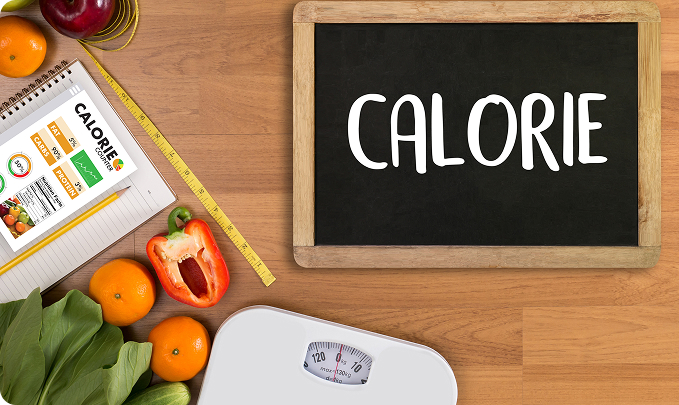
Your TDEE includes the energy used for:
- Basic life-sustaining functions
- Daily movement and physical activity
- Exercise and sports
- Digestion and food metabolism
Knowing your TDEE provides a useful starting point for setting realistic nutrition and fitness goals.
Whether your objective is weight loss, muscle gain, athletic performance, or healthy ageing, understanding your daily energy needs can help guide effective lifestyle decisions.

Result Means

To maintain your current weight, your calorie intake should generally match your TDEE. A sustained balance between calories consumed and calories burned is usually associated with stable body weight.

Weight loss typically occurs when calorie intake is lower than TDEE. A moderate calorie deficit combined with balanced nutrition and regular physical activity is generally safer and more sustainable than restrictive dieting.

Weight gain usually requires consuming more calories than your TDEE. Combining a calorie surplus with adequate protein intake and strength training may support muscle development and healthy weight gain.

Consuming significantly fewer calories than your body's requirements may increase the risk of:
- Fatigue
- Nutritional deficiencies
- Loss of muscle mass
- Reduced immunity
- Hormonal disturbances
Lifestyle modification should focus on long-term sustainability rather than extreme calorie restriction.
Adults
For Indian adults, calorie planning should consider additional metabolic risk factors such as:
- Central obesity
- Prediabetes
- Diabetes mellitus
- Fatty liver disease
- High blood pressure
- Dyslipidaemia
While TDEE provides useful guidance, overall dietary quality and metabolic health remain equally important.


Metabolism generally slows with ageing due to natural changes in muscle mass and hormonal function.

Men often have higher TDEE values than women due to greater lean body mass.
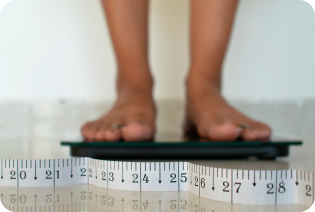
Larger body size typically increases energy requirements.

Muscle tissue burns more calories than fat tissue, even at rest. Individuals with greater muscle mass often have a higher metabolic rate.
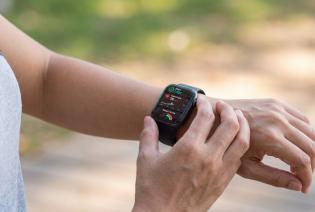
Exercise, daily movement, occupation, and lifestyle habits significantly affect TDEE.

Certain health conditions may alter metabolism and energy expenditure, including thyroid disorders, diabetes, hormonal imbalances, and chronic illnesses.

Focus on nutrient-dense foods such as:
Whole grains, Fruits and vegetables, Lean proteins, Legumes and pulses, Nuts and seeds, Healthy fats, Physical Activity

Weight management, Cardiovascular health, Muscle preservation, Metabolic health, Body Composition Optimisation
Improving body composition by increasing lean muscle mass may help support healthy energy expenditure

Calorie requirements vary significantly between individuals. Personalised guidance may be needed for those with medical conditions, pregnancy, athletic goals, or specialised dietary requirements.
A TDEE Calculator provides an estimate rather than an exact measurement of daily calorie expenditure.
Several factors may influence actual energy requirements, including: Genetics, Hormonal health, Body composition, Medications, Sleep quality,
Stress levels, Illness.
Environmental conditions
Actual calorie needs may differ from calculated values.
The result should therefore be used as a general guide rather than a personalised medical recommendation.

Our registered dietitians provide customised meal plans based on health goals, medical conditions, dietary preferences, and activity levels.

Apollo offers evidence-based programmes for healthy weight loss, healthy weight gain, obesity management, and lifestyle modification.

Our specialists can evaluate conditions that affect metabolism, including diabetes, prediabetes, thyroid disorders, PCOS, and fatty liver disease.

Comprehensive counselling helps support sustainable long-term health improvements.
Doctor or Dietitian?
Consider consulting a healthcare professional if you:
- Have obesity or are significantly underweight
- Have diabetes or prediabetes
- Have thyroid disease or hormonal disorders
- Have kidney, liver, or heart disease
- Have PCOS
- Are pregnant or breastfeeding
- Experience unexplained weight changes
- Need a medically supervised nutrition programme
- Have concerns about nutritional deficiencies
Professional guidance can help ensure your nutrition and activity plans are safe, effective, and personalised.



TDEE stands for Total Daily Energy Expenditure. It represents the total number of calories your body burns in a day.
BMR measures calories burned at rest, while TDEE includes all daily activities and exercise.
TDEE helps determine calorie targets for weight maintenance, weight loss, or weight gain.
No. TDEE varies based on age, gender, body size, muscle mass, activity level, and health status.
Yes. TDEE is commonly used to estimate the calorie intake required to create a safe calorie deficit for weight loss.
Yes. Physical activity contributes significantly to total daily calorie expenditure and can increase TDEE.
Yes. Muscle tissue burns more calories than fat tissue, which can increase energy expenditure.
It provides a scientifically derived estimate, but actual calorie requirements may vary between individuals.
Yes. Changes in weight, activity level, or body composition may alter your calorie requirements over time.
Get expert nutrition, weight-management, and metabolic health support from Apollo Hospitals.





 Best Hospital Near me Chennai


