

Management of Hypertension
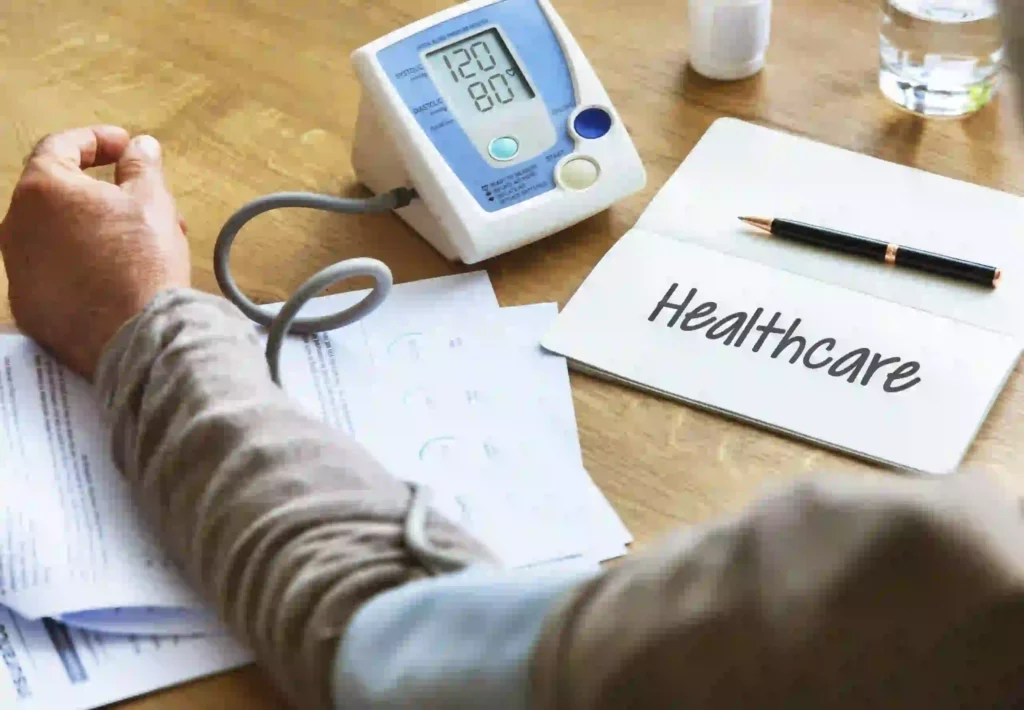
Hypertension (high blood pressure) is defined as persistent rise in blood pressure. Blood pressure has two components, one is systolic and another is diastolic. Systolic blood pressure (SBP) of ≥140 mmHg and/or diastolic blood pressure (DBP) of ≥90 mmHg is called hypertension. It is a common condition that increases the risk for many heart illnesses, if unnoticed.
There are no noticeable high blood pressure symptoms. Most of the
times, hypertension is diagnosed when doctor blood pressure during routine
visit. Some patients suffering from high blood pressure can display symptoms
like headaches, shortness of breath or nosebleeds.
Diagnosis of Hypertension:
Hypertension is diagnosed by measuring blood pressure. It should be noted, though, that blood pressure can increase or decrease due to age, heart condition, emotions, activity and the medications you may be prescribed. Thus, most doctors will not diagnose you on the basis of a single high reading. Your doctor will suggest blood pressure measurement at different times of the day, while you are resting comfortably.
Management of High
Blood Pressure:
Antihypertensive medications are prescribed to treat hypertension. However,
the most effective method of high blood pressure treatment is a change in your
lifestyle. Lifestyle changes are necessary to keep the blood pressure under
check.
Lifestyle changes
Stay stress free and exercise regularly to stay fit. Cut down on
sodium consumption and maintain healthy weight according to your body mass
index (BMI). Consume a healthy diet, limit consumption of alcohol, and stop
smoking.
These changes are recommended for all patients with hypertension. If such changes are not enough to control blood pressure, your doctor may recommend medication.
Medications
Antihypertensive medications include:
- Thiazide type
diuretics such as hydrochlorthiazide - Beta blockers such
as metoprolol - Angiotensin II
receptor blockers (ARBs) such as telmisartan and losartan - Angiotensin
converting enzyme inhibitors (ACEs) such as enalapril and ramipril - Calcium channel
blockers (CRBs) such as amlodipine, nifedipine, and clinidipine
Drug of choice depends on severity of the condition, age of the
patient, and comorbidities.
At our hospital, our team of specialists work to reduce or delay incidence of high blood pressure. Our expert cardiologists also work towards minimising complications in patients who are already suffering from hypertension. If you feel that you, or someone you know, may be suffering from high blood pressure, get in touch with one of our experts immediately.





 Best Hospital Near me Chennai


