


Endovascular Neurosurgery at Apollo Hospitals, Gurugram (Gurgaon)
Reviewed by Apollo Editorial Team · Last reviewed November 2026
Quick answer
Endovascular neurosurgery treats diseases of the blood vessels of the brain and spine from inside the vessels, without opening the skull. A thin tube called a catheter is passed from an artery in the groin or wrist up to the vessels of the neck and head under X-ray guidance. Through it, the specialist can seal an aneurysm with coils, remove a clot causing a stroke, block abnormal vessels, or widen a narrowed artery with a stent.
Key facts
| Procedure | Endovascular Neurosurgery |
| Available at | Apollo Hospitals, Gurugram (Gurgaon) |
| OPD timings | 9 am to 4 pm |
| Appointments | 080 6999 1061 |
Overview
Endovascular neurosurgery treats diseases of the blood vessels of the brain and spine from inside the vessels, without opening the skull. A thin tube called a catheter is passed from an artery in the groin or wrist up to the vessels of the neck and head under X-ray guidance. Through it, the specialist can seal an aneurysm with coils, remove a clot causing a stroke, block abnormal vessels, or widen a narrowed artery with a stent.
This approach may help people with brain aneurysms, acute ischaemic stroke from a large vessel blockage, arteriovenous malformations and fistulas, narrowing of the carotid or brain arteries, and some tumours that need their blood supply reduced before surgery. The choice between endovascular treatment, open surgery, radiosurgery, medicines or observation is made by a neurovascular team after studying the angiogram, taking into account the shape and position of the lesion, your age and health, and in emergencies the time since symptoms began.
Book a consultation at Apollo Hospitals, Gurugram to learn whether endovascular neurosurgery is suitable for you.
Why is Endovascular Neurosurgery Necessary?
Weak, blocked or abnormally connected blood vessels in the brain can cause bleeding or stroke. Treating them from within the vessel offers a way to repair the problem while avoiding open brain surgery in suitable cases.
Conditions That May Require Endovascular Neurosurgery
Endovascular treatment may be considered for the following conditions.
- Brain aneurysm: Coiling, stent-assisted coiling or a flow-diverting stent may be advised for a ruptured aneurysm, or for an unruptured one judged to carry a meaningful risk of bleeding.
- Acute ischaemic stroke: Mechanical thrombectomy may be performed in selected patients with a clot in a large brain artery who reach hospital within the treatment window.
- Arteriovenous malformation or dural fistula: Embolisation with liquid agents or coils may be used alone or before surgery or radiosurgery to close abnormal connections.
- Carotid or intracranial artery narrowing: Angioplasty and stenting may be considered for selected patients with significant narrowing that has caused symptoms despite medical treatment.
- Vascular tumours: Pre-operative embolisation may be used to reduce blood flow to certain tumours and limit bleeding during their removal.
Signs and Symptoms to Watch For
The following symptoms may be associated with conditions treated by endovascular methods, and several of them are emergencies.
- Sudden severe headache: A thunderclap headache, often described as the worst ever, may signal bleeding from an aneurysm and needs emergency care.
- Sudden weakness or facial droop: Abrupt weakness of the face, arm or leg on one side is a typical sign of stroke.
- Sudden speech difficulty: Slurred speech or inability to speak or understand calls for immediate transfer to hospital.
- Loss of vision or double vision: Sudden visual loss, a drooping eyelid or double vision may be caused by a stroke or an enlarging aneurysm.
- Pulsing noise in the ear: A rhythmic whooshing sound in time with the heartbeat can be a symptom of a dural arteriovenous fistula.
- Seizures: Fits may be the first sign of an arteriovenous malformation in some patients.
When Other Treatments Are No Longer Enough
Blood pressure control, stopping smoking, antiplatelet medicines, statins and anticoagulants where indicated are the foundation of care for vascular disease, and small unruptured aneurysms may simply be monitored with scans. Clot-dissolving medicine is given first in eligible stroke patients. An endovascular procedure is considered when an aneurysm has bled or carries a notable risk of rupture, when a large clot does not clear or cannot be treated with medicine alone, when a malformation has bled, or when symptoms recur despite appropriate medical treatment.
Types of Endovascular Neurosurgery
The main endovascular procedures on the brain and neck vessels are listed below.
- Aneurysm coiling: Soft platinum coils are packed into the aneurysm so that blood clots inside it and it is sealed off from the circulation.
- Flow diversion and stent-assisted coiling: A fine mesh stent placed across the neck of the aneurysm redirects blood flow or holds coils in place, and requires antiplatelet medicines afterwards.
- Mechanical thrombectomy: A clot blocking a large artery is pulled out with a stent retriever or removed by suction through a catheter.
- Embolisation: Liquid agents, particles or coils are delivered into abnormal vessels of a malformation, fistula or tumour to block them.
- Angioplasty and stenting: A narrowed artery is widened with a balloon and supported with a stent to improve blood flow.
Legal and Ethical Requirements in India
Before treatment, the clinical team explains the indication, the alternatives, the expected benefits and the risks, and obtains written informed consent. You can ask questions, seek a second opinion and take time to decide.
Consult the neurosciences team at Apollo Hospitals, Gurugram for an individual assessment.
Risks of Delaying Endovascular Neurosurgery
Delay in evaluation or treatment may carry serious risks, depending on the condition.
- Re-bleeding from a ruptured aneurysm: The risk of a second haemorrhage is highest in the first days and such bleeding is often more damaging than the first.
- Loss of brain tissue in stroke: Brain cells are lost every minute an artery stays blocked, so delay reduces the chance of a good recovery.
- Haemorrhage from a malformation or fistula: Abnormal vessels may rupture and cause bleeding into or around the brain.
- Recurrent stroke: Untreated significant narrowing of an artery can result in further strokes or transient attacks.
- Permanent disability: Bleeding or stroke can cause lasting weakness, speech problems or loss of independence.
Sudden headache, weakness or speech difficulty should always be treated as an emergency rather than watched at home.
Benefits of Endovascular Neurosurgery
For suitable patients, endovascular treatment may offer the following.
- No opening of the skull: Access is through a small puncture in the groin or wrist, so there is no head wound.
- Access to deep vessels: Lesions that are difficult to reach by open surgery can often be approached through the arteries.
- Shorter recovery after planned procedures: Many patients treated electively go home within one to three days and resume normal activity sooner than after open surgery.
- Restoration of blood flow in stroke: Removing the clot promptly may limit brain damage and improve the chance of regaining function in selected patients.
- Lower risk of re-bleeding: Sealing a ruptured aneurysm aims to prevent a further haemorrhage.
- Option for higher-risk patients: Older patients and those with other illnesses may tolerate a catheter-based procedure when open surgery would be more hazardous.
Outcomes depend strongly on the condition, its severity at presentation and the individual, and some lesions need repeat treatment or are better managed by open surgery.
Endovascular Neurosurgery at Apollo Hospitals, Gurugram (Gurgaon)
Why Choose Apollo Hospitals, Gurugram for Endovascular Neurosurgery?
Apollo Hospitals, Gurugram combines specialist assessment with coordinated care for people who need endovascular neurosurgery.
- Specialist assessment: A neurovascular specialist reviews your symptoms and angiographic imaging to define the lesion and to judge which treatments are feasible.
- Joint decision-making: Endovascular and open surgical options are discussed within the team and with you and your family, including the risks of treating and of not treating.
- Long-term surveillance: Follow-up imaging and clinic visits are planned to check that the treated vessel remains secure and to review medicines such as antiplatelets.
- Multidisciplinary planning: Specialists from the relevant departments review complex cases together before recommending a plan.
- Individualised treatment: Recommendations consider your symptoms, test results, age, overall health and preferences.
- Patient-focused communication: The care team explains preparation, expected recovery, medicines and warning signs in plain language.
- Continuity of care: Follow-up visits track recovery and help manage the underlying condition over time.
Endovascular Neurosurgery Care for Patients in Gurugram and Delhi NCR
Apollo Hospitals, Gurugram is located on Golf Course Road, Sector 28, Gurugram, Haryana 122009. It offers Endovascular Neurosurgery for patients from Gurugram, the wider Delhi NCR and Haryana, with specialist doctors, nursing and diagnostic teams working together from assessment to follow-up.
How to Reach the Endovascular Neurosurgery Team in Gurugram
- Address: Apollo Hospitals Gurugram, Golf Course Road, Sector 28, Gurugram, Haryana 122009
- Phone: 0124-6501600 or 08069991061
- Book online: Book a Endovascular Neurosurgery consultation in Gurugram
Get Directions to Apollo Hospitals, Gurugram
Apollo Hospitals, Gurugram is on Golf Course Road, Sector 28. Open the hospital location and get directions on Google Maps.
If You Live Outside Gurugram
If you are travelling from elsewhere in Delhi NCR or Haryana, ask the care team how to plan your consultation, tests and follow-up visits for Endovascular Neurosurgery so that you are not making more trips than needed.
What to Bring to Your First Consultation
- Scans, test reports and earlier medical records related to your condition
- A list of your current medicines and any allergies
- Photo ID and insurance details, if you have them
Related Care at Apollo Hospitals, Gurugram
Explore the Neurosciences department at Apollo Hospitals, Gurugram to learn about the specialists and services available.
Preparation for Endovascular Neurosurgery
Clinical Assessment
Your specialist first confirms the diagnosis and whether endovascular neurosurgery is the right option.
- Share your history: Report the exact time symptoms started, past stroke or bleeding, kidney disease, allergy to contrast dye or metals, and all blood-thinning medicines.
- Attend examination: Your neurological status, blood pressure and pulses in the groin and wrist are examined, and stroke severity is scored where relevant.
- Discuss alternatives: Ask about surgical clipping, radiosurgery, medical treatment alone or monitoring, and how each compares for your type of lesion.
Tests Before Treatment
The following tests are commonly done before an endovascular procedure.
- CT scan of the brain: Quickly shows bleeding or early signs of stroke and guides the emergency decisions.
- CT or MR angiography: Outlines the brain and neck arteries to show aneurysms, blockages, narrowing or malformations.
- Digital subtraction angiography: A catheter-based study that gives the most detailed view of the vessels and is often done at the same sitting as treatment.
- Blood tests: Check kidney function, blood count and clotting, and sometimes the response to antiplatelet medicines.
- ECG and anaesthetic assessment: Assess the heart and general fitness for sedation or general anaesthesia.
Medicines and Allergies
Medication changes should be made only under the treating team's advice.
- Provide a medicine list: Include prescriptions, insulin, blood thinners, supplements and over-the-counter medicines.
- Report allergies: Tell the team about previous reactions to contrast dye, medicines, latex or anesthesia.
- Follow specific directions: You may be asked to adjust blood thinners or diabetes medicines before the procedure.
Food and Practical Planning
Follow the hospital's personalised admission and fasting instructions.
- Observe fasting guidance: Stop food and fluids at the time you are told, if fasting is needed.
- Arrange support: Ask a responsible adult to accompany you and help after discharge.
- Plan your stay: Bring identification, reports, comfortable clothing and essential personal items.
Consent and Final Review
The team completes safety checks and answers questions before treatment.
- Understand the plan: Review expected benefits, limitations, alternatives and possible complications.
- Confirm consent: Sign the consent form only after receiving information you understand.
- Report changes: Inform the hospital about fever, infection or any new symptom before the procedure.
Recovery After Endovascular Neurosurgery
Immediately After Treatment
Monitoring begins as soon as the procedure is over.
- Monitoring in intensive or stroke care: Blood pressure, alertness, speech and limb strength are checked frequently for the first day.
- Puncture site care: You lie flat for some hours with the leg kept straight if the groin was used, while the site is observed for bleeding or swelling.
- Medicines and fluids: Antiplatelet or other medicines are started or continued as planned, and fluids help the kidneys clear the contrast dye.
Care at Home
Follow the discharge advice given for your situation.
- Protect the puncture site: Avoid heavy lifting and strenuous activity for about a week, and report any swelling, bleeding or increasing pain.
- Take antiplatelet medicines without fail: If a stent or flow diverter has been placed, missing doses can cause a clot, so never stop these without your doctor's advice.
- Control risk factors: Keep blood pressure, sugar and cholesterol in check, stop smoking, and attend all follow-up scans.
Medicines and Follow-Up
Ongoing care supports recovery and checks the result of treatment.
- Take medicines correctly: Continue prescribed medicines and do not stop them without advice.
- Attend review visits: Follow-up may include examination and repeat tests.
- Track symptoms: Note any change in your symptoms and share it at your review.
Returning to Usual Activities
After a planned procedure such as coiling of an unruptured aneurysm, many people return to light work within one to two weeks and can usually drive after about a week if they feel well and their doctor agrees. Recovery after a ruptured aneurysm or a stroke is longer and often involves rehabilitation, with return to work and driving decided individually. Gentle walking can start early, and vigorous exercise is resumed gradually once your specialist confirms it is safe.
Warning Signs That Need Urgent Medical Attention
Seek prompt medical help if any of the following develop.
- Sudden severe headache: Call for emergency help at once, as this may indicate bleeding in the brain.
- Weakness, facial droop or speech difficulty: Treat this as a stroke and reach an emergency department immediately.
- Bleeding or a growing lump at the puncture site: Press firmly on the area, lie down and seek urgent medical help.
- Cold, pale or painful leg or hand: Seek emergency care, since blood flow to the limb used for access may be affected.
- Seizure or loss of consciousness: Call an ambulance and inform your treating team as soon as possible.
Take the Next Step Towards Endovascular Neurosurgery Care
A specialist consultation can clarify whether endovascular neurosurgery is right for you and what the alternatives are.
Bring the following documents when available:
- Medical records: Carry previous consultation notes, discharge summaries and prescriptions.
- Test reports: Bring scans, blood results and other investigations related to your condition.
- Medicine list: Include current doses, supplements and allergies.
- Identification and coverage details: Carry valid identification, insurance papers and referral documents.
Book your endovascular neurosurgery consultation with Apollo Hospitals, Gurugram today.
Frequently Asked Questions About Endovascular Neurosurgery
What are the risks of endovascular neurosurgery?
The main risks are stroke from a clot or vessel blockage, bleeding from rupture of the vessel or aneurysm, and bruising or bleeding at the puncture site. Reactions to contrast dye, kidney strain and incomplete treatment that needs a repeat procedure can also occur. The level of risk depends on the condition and whether treatment is planned or emergency.
Is coiling better than clipping for a brain aneurysm?
Neither is better for every aneurysm. Coiling avoids opening the skull and usually has a quicker recovery, but some coiled aneurysms need further treatment later. Clipping is more invasive yet may be more durable for certain shapes and locations. The neurovascular team recommends an option based on the aneurysm and your health.
Is the procedure painful?
Most patients feel little pain. Planned procedures are commonly performed under general anaesthesia, and the catheter cannot be felt moving inside the arteries. You may notice a brief warm sensation when contrast dye is injected if you are awake. Soreness or bruising at the groin or wrist afterwards is usual and settles within days.
How long does an endovascular procedure take?
A diagnostic angiogram often takes under an hour, whereas treatment procedures such as coiling or embolisation commonly take two to three hours and sometimes longer for complex lesions. Thrombectomy for stroke is done as quickly as possible. Time for anaesthesia and recovery is in addition to the procedure itself.
Will I need follow-up scans after treatment?
Yes, follow-up imaging is a routine part of care. After aneurysm coiling or flow diversion, an MR angiogram or catheter angiogram is usually done at around six months and at intervals afterwards to confirm the aneurysm stays closed. Your specialist will also review how long antiplatelet medicines need to continue.
Which is the best hospital for Endovascular Neurosurgery in Gurugram?
The right hospital depends on your condition and your doctor's advice. Apollo Hospitals, Gurugram offers specialist assessment, diagnostics and coordinated care for endovascular neurosurgery. Compare the team's experience, the facilities and the follow-up care on offer before you decide.
How do I book a consultation for Endovascular Neurosurgery at Apollo Hospitals, Gurugram?
You can book online through the booking link on this page, or call 08069991061. OPD timings are 9 am to 4 pm. The care team will guide you to the right specialist.
Where is Apollo Hospitals, Gurugram located?
Apollo Hospitals, Gurugram is on Golf Course Road, Sector 28, Gurugram, Haryana 122009.
What should I bring to my first consultation for Endovascular Neurosurgery?
Bring any scans and test reports related to your condition, earlier medical records, a list of your current medicines and allergies, a photo ID and your insurance details if you have them.
Can patients from outside Gurugram get Endovascular Neurosurgery care at Apollo Hospitals, Gurugram?
Yes. Patients from Delhi NCR, Haryana and other parts of India can consult the team at Apollo Hospitals, Gurugram. Share your reports when you book so the team can plan your visit.
Medical Disclaimer: This information is for general education and does not replace a consultation with a qualified doctor. Treatment decisions depend on individual assessment.
Recently Added


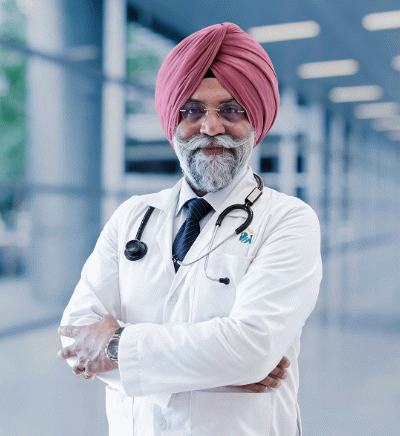
Endovascular Neurosurgery Specialists at Apollo Hospitals, Gurugram






Disclaimer:
The information provided on this page is intended for general informational and educational purposes only. While we make reasonable efforts to ensure that the information is accurate, reliable, and regularly reviewed, it should not be considered a substitute for professional medical advice, diagnosis, or treatment.
The suitability of a medical procedure, along with its benefits, risks, preparation, recovery, potential complications, and expected outcomes, may vary from person to person. Your healthcare professional will determine whether a procedure is appropriate based on your individual condition and medical history.
Please consult a qualified healthcare professional for personalized advice before making decisions regarding any medical procedure.
For more information about how our medical content is created, reviewed, updated, and maintained, please read our [Editorial Policy].
Find Apollo Hospitals, Gurugram on the Map
Map showing Apollo Hospitals, Gurugram, Golf Course Road, Sector 28