

Oesophageal cancer, commonly known as cancer of the food pipe, is an important health concern in India. The oesophagus is a muscular tube that carries food from the mouth to the stomach. It passes through the neck and chest, travelling close to several vital structures, including the heart, lungs, major blood vessels, the main lymphatic duct, and the nerves responsible for movement of the vocal cords.
Treating oesophageal cancer often requires a combination of chemotherapy, radiation therapy, and surgery, depending on the stage, location, and type of tumour. For patients who are suitable for surgery, oesophagectomy—the removal of the affected portion or, in many cases, most of the oesophagus—is a major and technically demanding operation.
With advances in surgical technology, robotic-assisted oesophagectomy has emerged as an important minimally invasive option. It combines the established principles of cancer surgery with enhanced visualisation, precision, and instrument manoeuvrability, particularly within the confined space of the chest.
Why is surgery for oesophageal cancer so complex?
Oesophageal cancer surgery is not simply about removing the tumour. It involves removing the diseased oesophagus along with the surrounding lymph nodes, which may contain microscopic cancer cells.
Depending on the location of the tumour and the planned operation, lymph nodes may need to be removed from the abdomen, chest, and lower neck. This is essential for accurate cancer staging and achieving adequate oncological clearance.
Once the affected oesophagus is removed, the digestive tract needs to be reconstructed. In most patients, the stomach is carefully mobilised and fashioned into a narrow tube, called a gastric conduit, which is brought up into the chest or neck and connected to the remaining oesophagus.
This operation may involve two or three surgical stages, accessing the abdomen, chest and sometimes the neck. During the chest phase, the surgeon must carefully dissect the oesophagus and lymph nodes while protecting the lungs, major blood vessels, thoracic duct and recurrent laryngeal nerves, which supply the vocal cords.
The complexity of this surgery makes surgical experience, careful planning and multidisciplinary cancer care particularly important.
How is robotic oesophagectomy performed?
Robotic oesophagectomy is performed through small incisions rather than the large chest incision required in conventional open surgery.
The thoracic phase is one of the most technically demanding parts of the operation.
Using robotic instruments introduced through small incisions in the chest, the surgeon carefully separates the oesophagus from the surrounding structures. The tumour-bearing oesophagus and the appropriate lymphatic tissue are removed.
Particular attention is given to lymph node clearance around the trachea, major blood vessels and recurrent laryngeal nerves. The thoracic duct, which carries lymphatic fluid through the body, must also be identified and protected whenever possible.
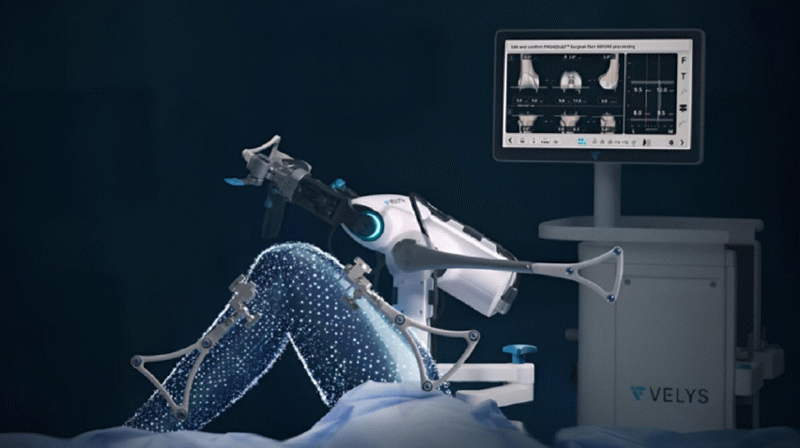
The robotic system provides magnified, high-definition, three-dimensional vision and wristed instruments that can articulate in multiple directions. This allows the surgeon to perform delicate dissection and suturing in the confined space of the chest.
After the diseased oesophagus has been removed, the stomach is brought up and joined to the remaining oesophagus. This connection is called an anastomosis.
Depending on the tumour location and surgical approach, the connection may be made within the chest or in the neck.
The choice depends on the tumour’s location, the required extent of lymph node removal and the patient’s individual circumstances.
What are the advantages of robotic oesophagectomy?
Traditionally, oesophagectomy was performed through large abdominal and chest incisions. In open transthoracic surgery, the ribs may need to be spread to access the oesophagus. This can result in considerable postoperative pain, delayed mobilisation, and an increased risk of respiratory complications.
Laparoscopic and thoracoscopic surgery introduced the benefits of minimally invasive access, reducing the size of surgical incisions and improving postoperative recovery.
Robotic surgery takes minimally invasive surgery a step further by providing additional technological advantages.
1. Enhanced three-dimensional vision
The robotic camera provides magnified, high-definition, three-dimensional images of the operative field. This helps the surgeon appreciate tissue planes, small blood vessels, nerves, and lymphatic structures more clearly.
2. Greater instrument flexibility
Conventional laparoscopic instruments have relatively restricted movement. Robotic instruments have wrist-like articulation, allowing movements that closely replicate the flexibility of the human wrist.
This is particularly useful while dissecting lymph nodes around the recurrent laryngeal nerves and major blood vessels.
3. Precise lymph node dissection
Adequate lymph node clearance is an important component of oesophageal cancer surgery. Robotic articulation and enhanced visualisation may facilitate meticulous lymphadenectomy, particularly in anatomically difficult areas of the chest.
4. Potential reduction in surgical trauma
Because the operation is performed through small incisions, patients may experience less chest wall trauma and postoperative pain compared with conventional open surgery. This can facilitate earlier mobilisation and respiratory rehabilitation.
5. Potential advantages in nerve preservation
The recurrent laryngeal nerves are particularly vulnerable during lymph node dissection around the upper chest and lower neck. Injury can result in hoarseness, difficulty swallowing, and aspiration.
The magnified vision and precise instrument movements offered by robotic surgery may help the surgeon identify and preserve these delicate nerves. Clinical studies have shown encouraging results in this area, although the benefit is not guaranteed in every patient.
Is robotic surgery better than laparoscopic or open surgery?
Robotic surgery offers several technical advantages, but it is important to understand that the technology itself does not guarantee better cancer outcomes.
Compared with open surgery, minimally invasive approaches can reduce surgical trauma and improve certain aspects of postoperative recovery.
Compared with conventional laparoscopic or thoracoscopic oesophagectomy, robotic surgery offers improved three-dimensional visualisation and instrument dexterity. Some comparative studies have demonstrated advantages in lymph node retrieval and recurrent laryngeal nerve preservation.
However, outcomes depend on the surgeon’s experience, the patient’s condition, the stage of cancer and the quality of the overall cancer treatment.
The primary objective remains complete tumour removal with adequate margins, appropriate lymph node clearance and safe reconstruction.
What are the limitations and risks?
Robotic oesophagectomy remains a major cancer operation, despite the smaller incisions.
Potential complications include:
• Pneumonia and other respiratory complications.
• Anastomotic leak at the site where the stomach is joined to the oesophagus.
• Bleeding or injury to surrounding structures.
• Recurrent laryngeal nerve injury, which may cause voice changes.
• Chyle leak due to injury to the thoracic duct.
• Delayed gastric emptying and difficulty swallowing.
• Cardiac complications and blood clots.
Robotic procedures may also involve longer operating times, particularly during the learning phase. They require specialised equipment, trained operating room teams and surgeons with specific experience in robotic oesophageal surgery.
In some situations, conversion to open surgery may be necessary to ensure patient safety and adequate cancer clearance.
It is therefore important to remember that robotic surgery is an approach to performing the operation, not a substitute for surgical expertise or sound oncological judgement.
Recovery after robotic oesophagectomy
Recovery after oesophagectomy is gradual and requires coordinated postoperative care.
Patients are monitored closely for respiratory complications, anastomotic leaks and other potential problems. Early mobilisation, breathing exercises, pain control and nutritional support are important components of recovery.
Feeding is usually reintroduced in a planned manner, according to the patient’s clinical condition and the treating team’s protocol. Some patients may require temporary feeding through a jejunostomy tube.
After discharge, patients need dietary modifications, smaller and more frequent meals, nutritional monitoring and regular follow-up. Long-term recovery varies depending on the patient’s preoperative health, cancer treatment and postoperative course.
Why choose specialist evaluation at Apollo Hospitals, Bengaluru?
Oesophageal cancer requires more than an operation. It requires an integrated treatment plan that considers the cancer stage, tumour biology, nutritional status, response to chemotherapy or radiation and the patient’s overall fitness.
At Apollo Hospitals, Bengaluru, patients can access multidisciplinary cancer evaluation and advanced robotic surgical technology, including robotic-assisted procedures for gastrointestinal cancers.
The availability of advanced robotic platforms, experienced surgical teams, specialised anaesthesia, critical care and structured postoperative support helps provide a coordinated approach to complex cancer surgery.
The decision to perform robotic oesophagectomy is individualised. The surgical team evaluates whether a robotic, laparoscopic, hybrid or open approach is most appropriate for each patient.
The goal is not simply to perform surgery through smaller incisions. It is to achieve the best possible cancer clearance while minimising surgical trauma and supporting a safe recovery.
Conclusion
Robotic oesophagectomy represents an important advancement in the surgical management of oesophageal cancer. By combining minimally invasive access with enhanced three-dimensional vision and flexible instruments, it offers surgeons additional capabilities when operating in the confined spaces of the chest.
However, the success of oesophageal cancer treatment depends on accurate staging, appropriate multimodality treatment, meticulous surgery and comprehensive postoperative care.
Patients diagnosed with oesophageal cancer should seek evaluation at a specialised cancer centre where all available treatment options, including robotic oesophagectomy, can be discussed by an experienced multidisciplinary team.
Apollo Hospitals, Bengaluru – Advanced robotic surgery and comprehensive care for oesophageal cancer.
Frequently asked questions


Approved & Reviewed by




Recently Added